Limb Lengthening Surgery in Turkey
Leg lengthening surgeon in Turkey
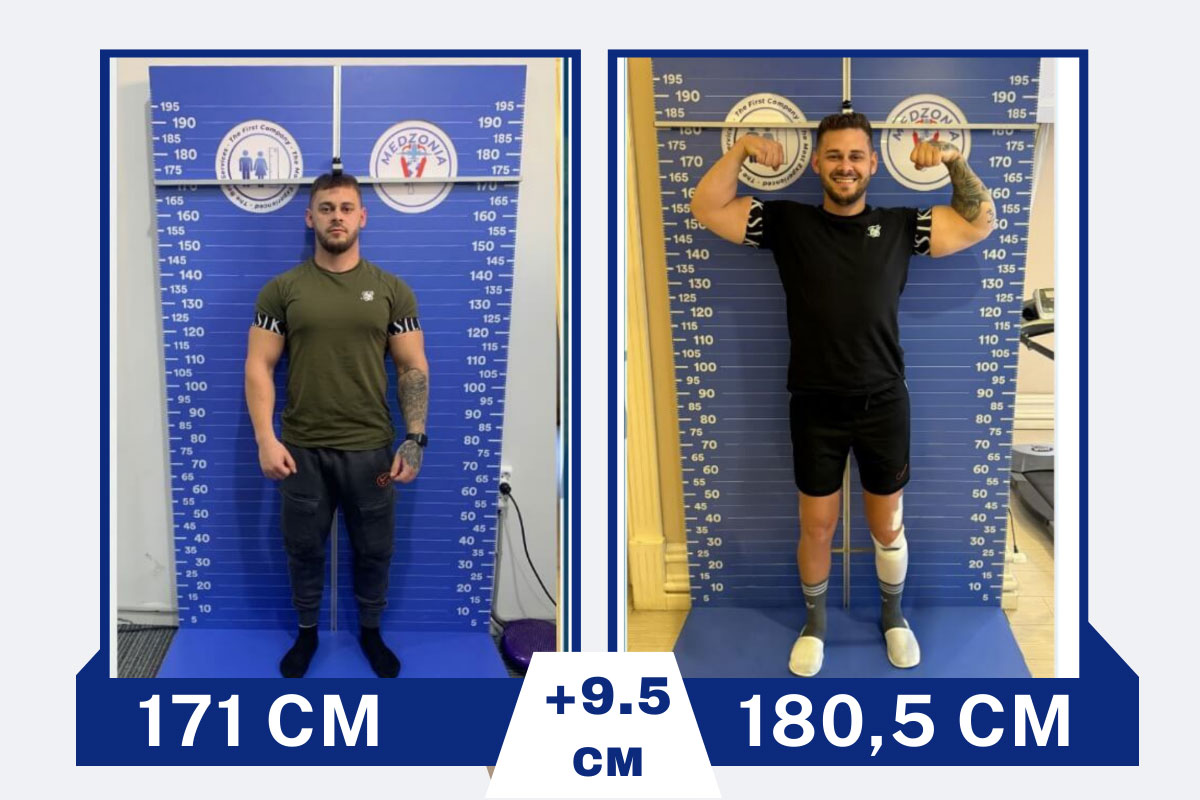
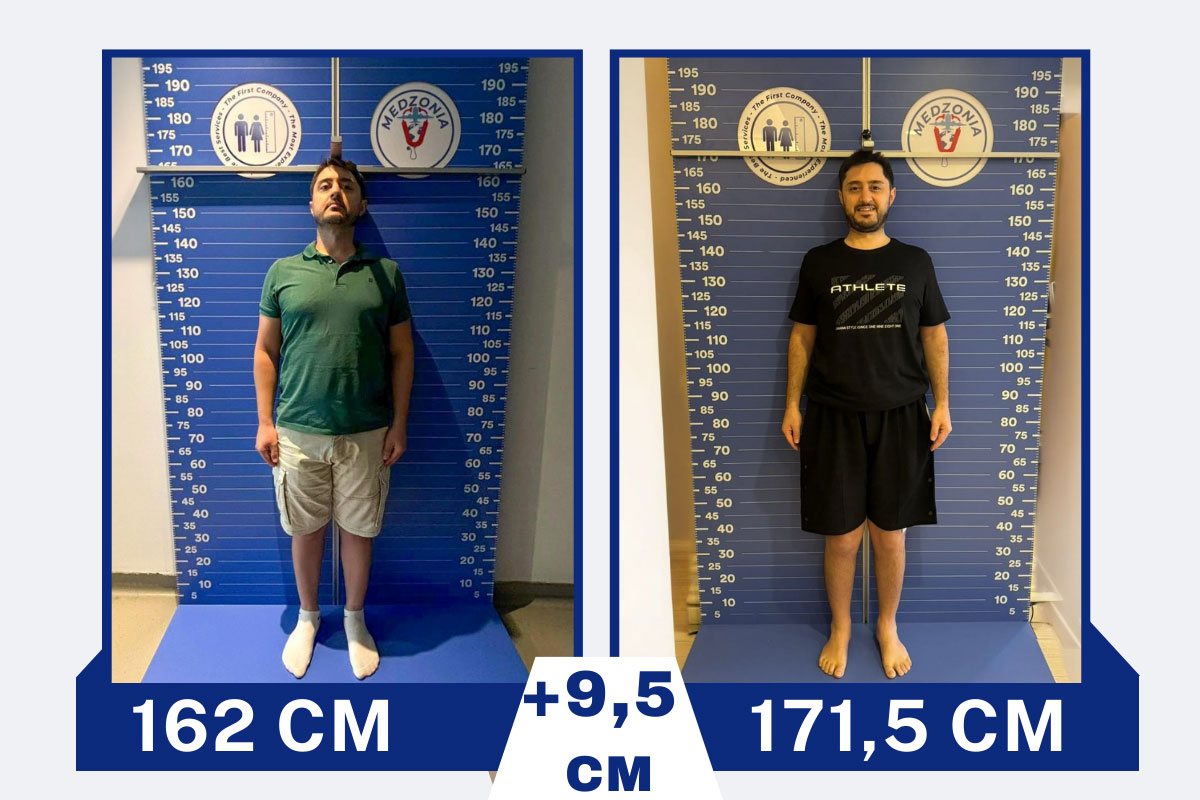
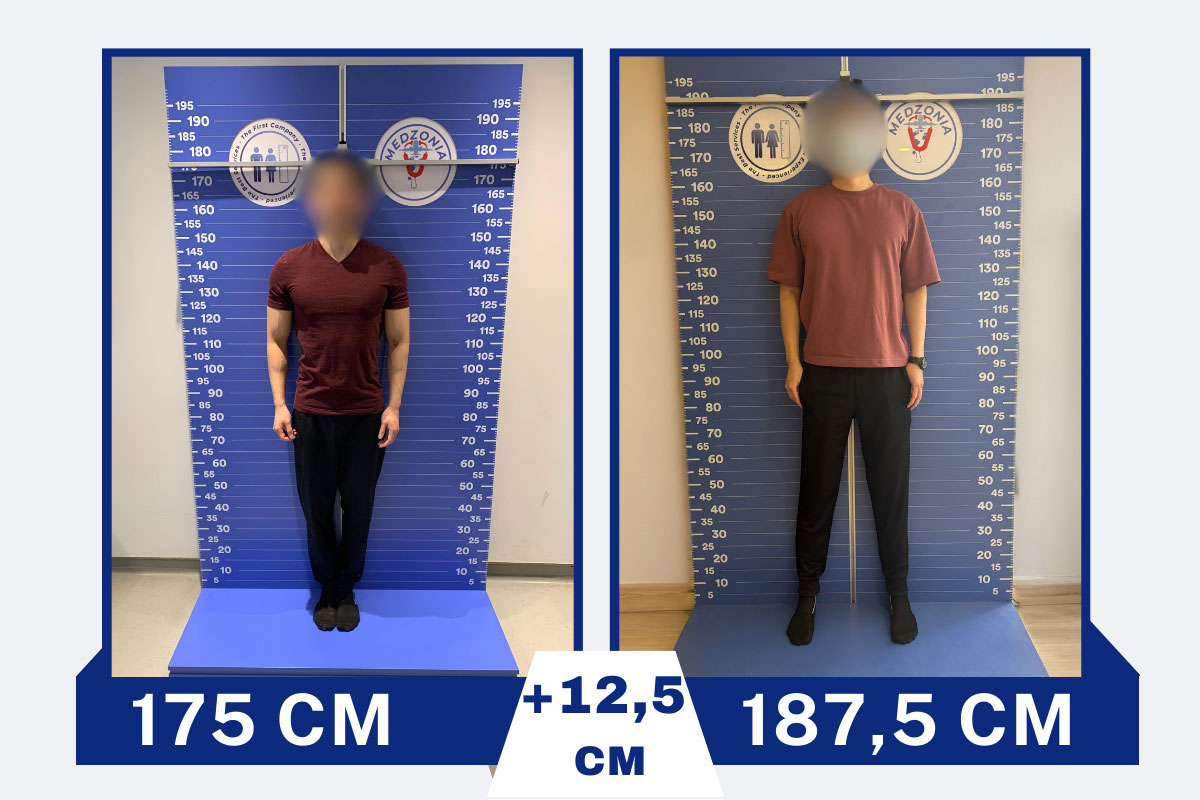
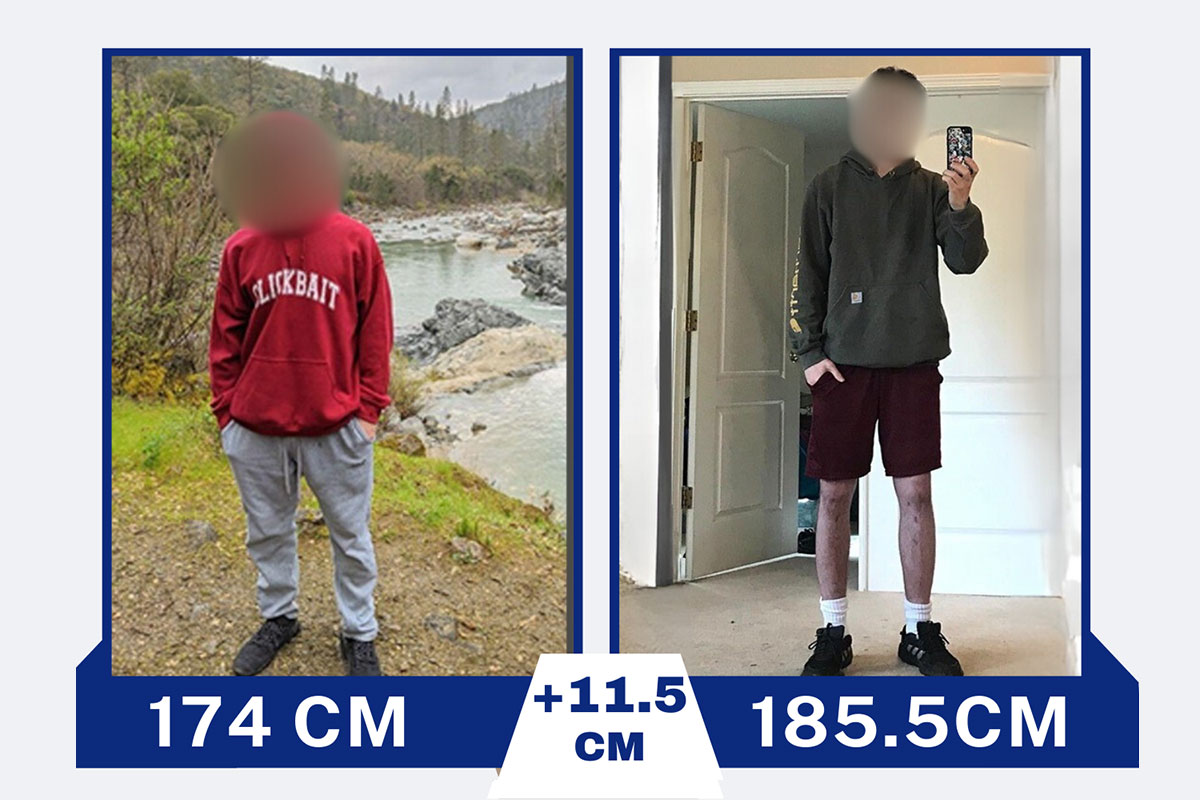
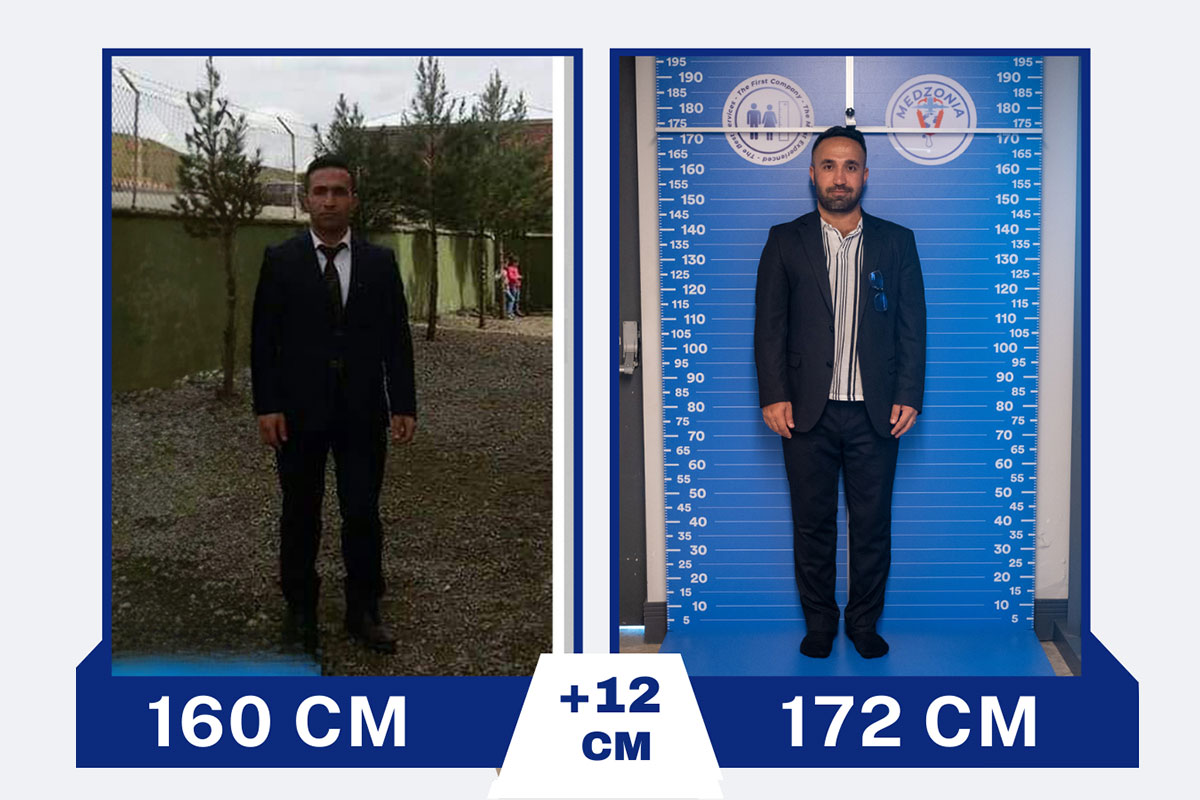
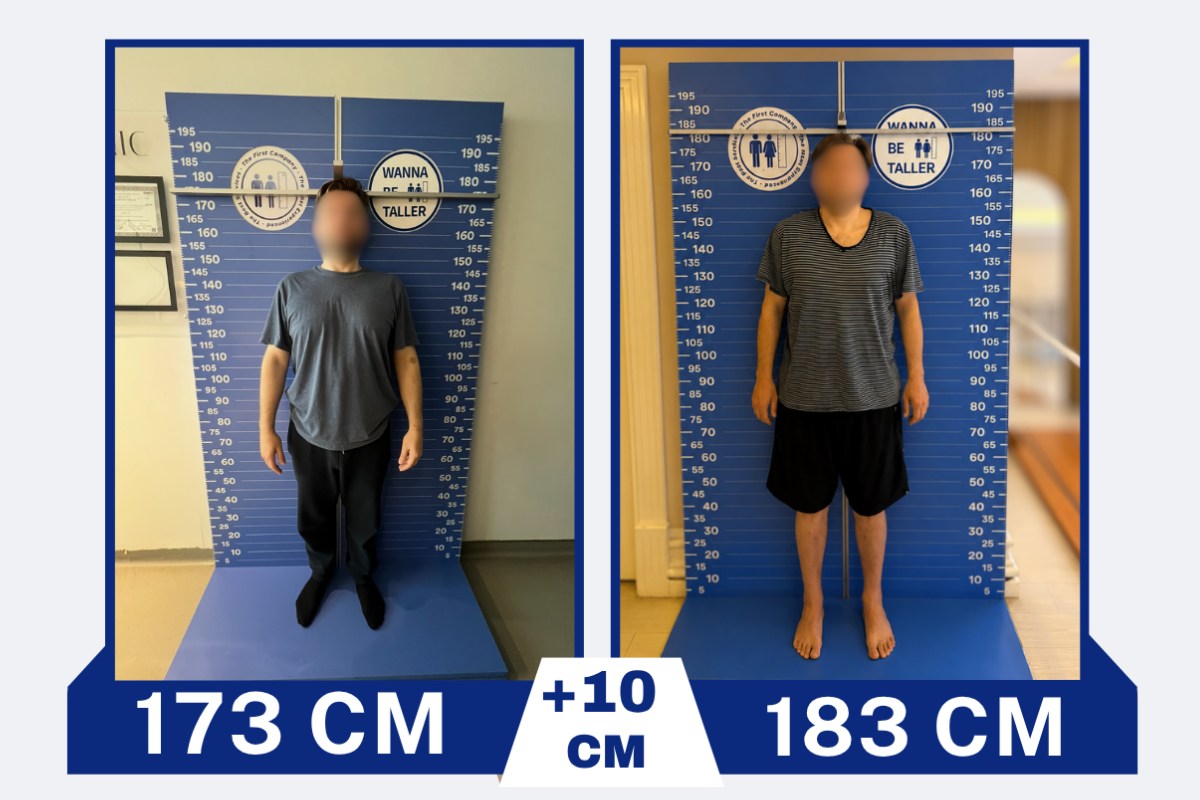
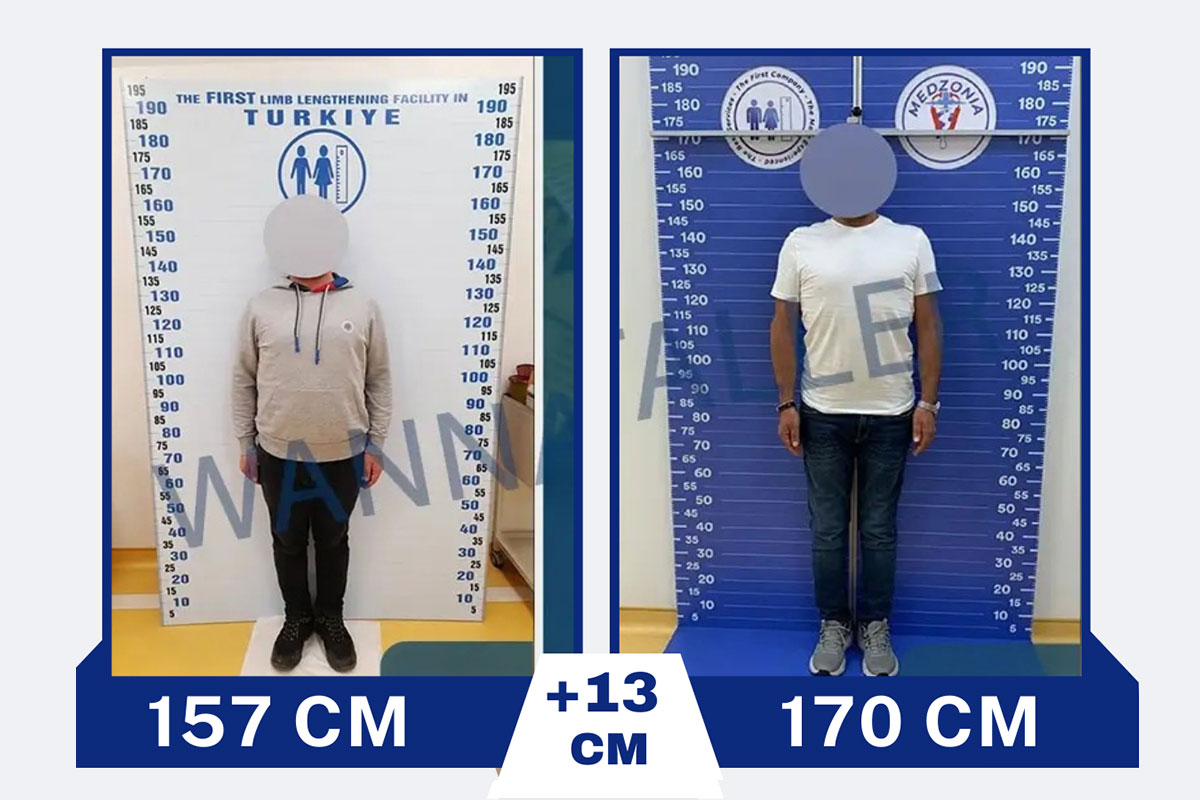
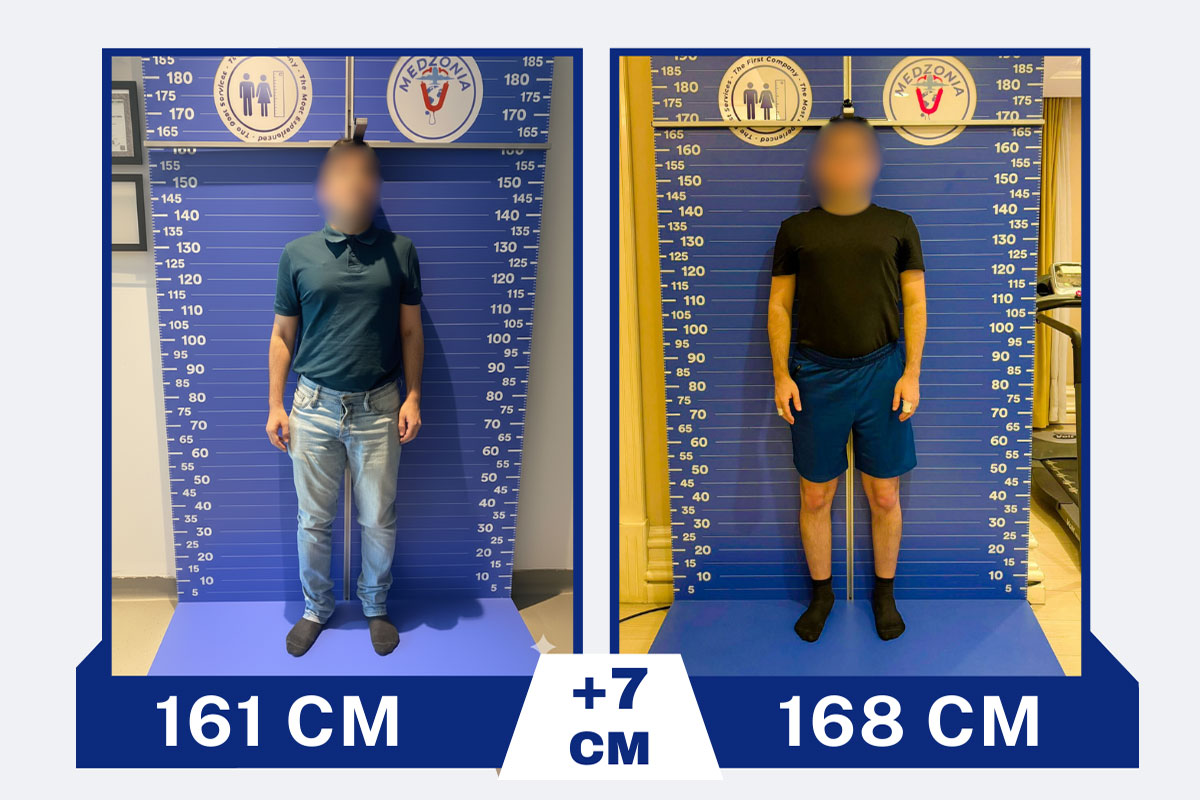
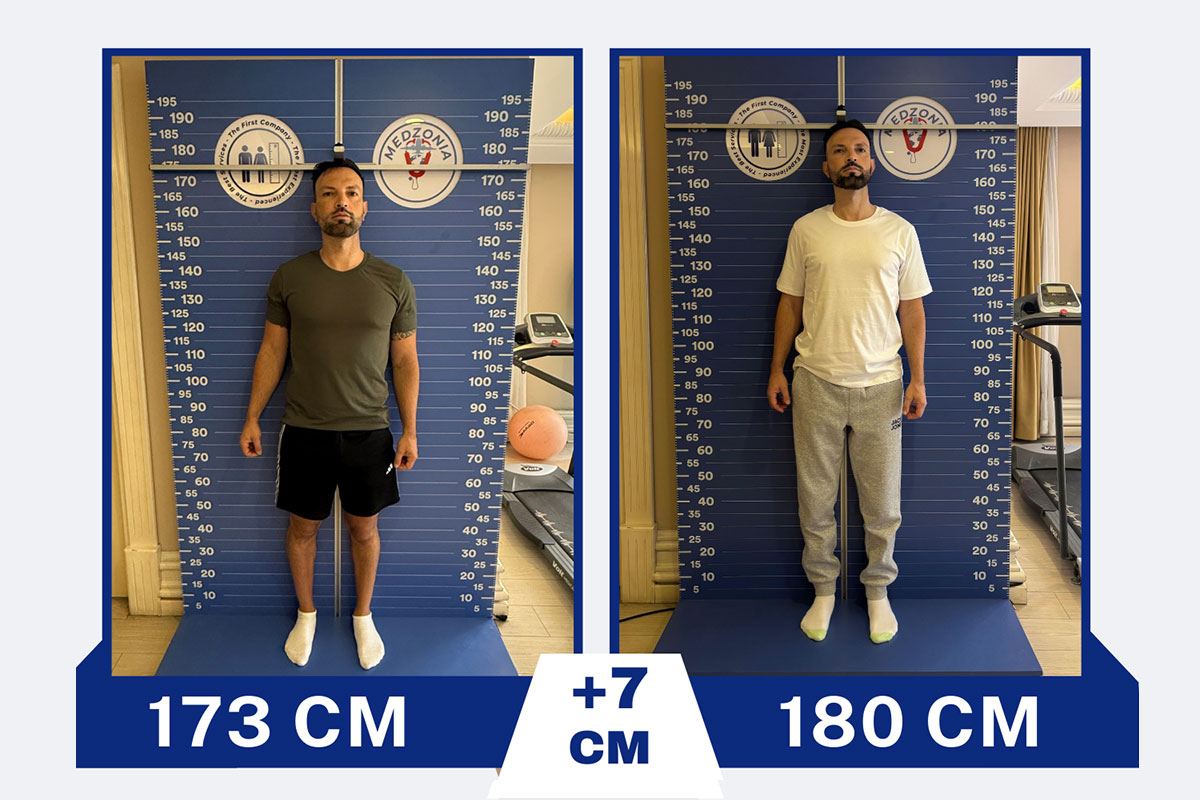
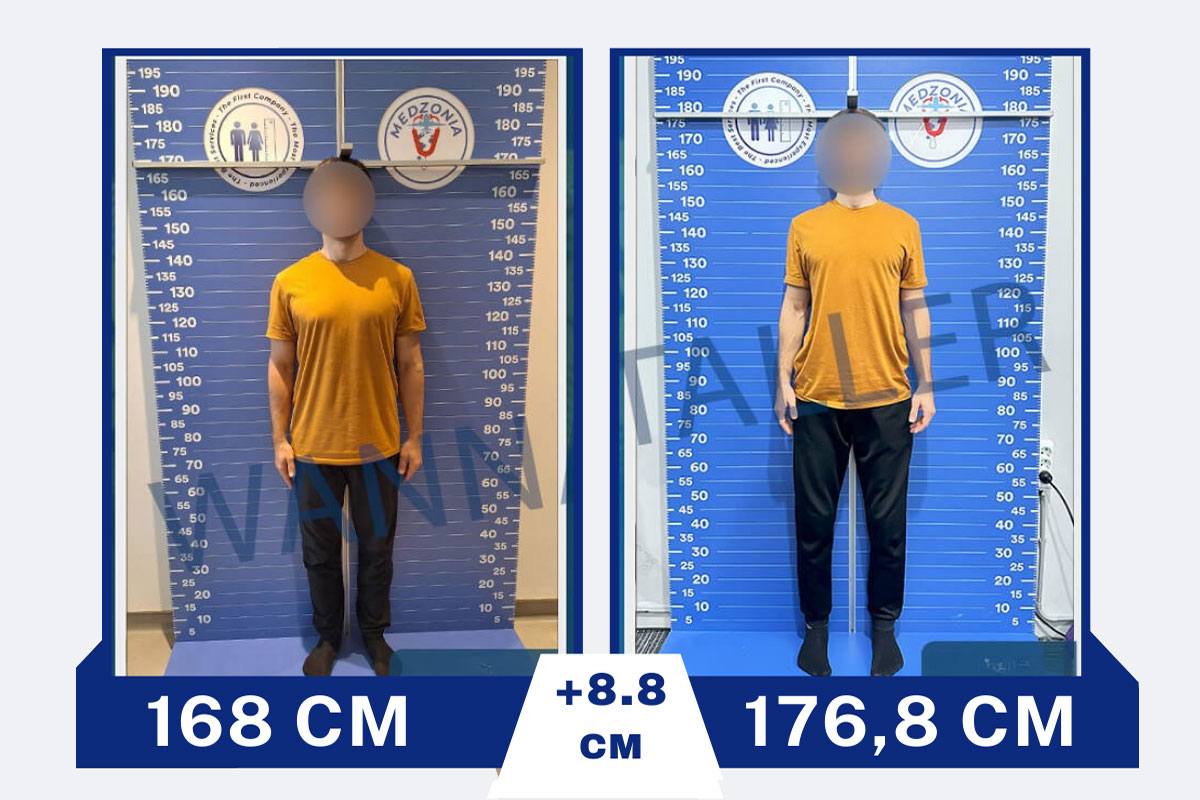
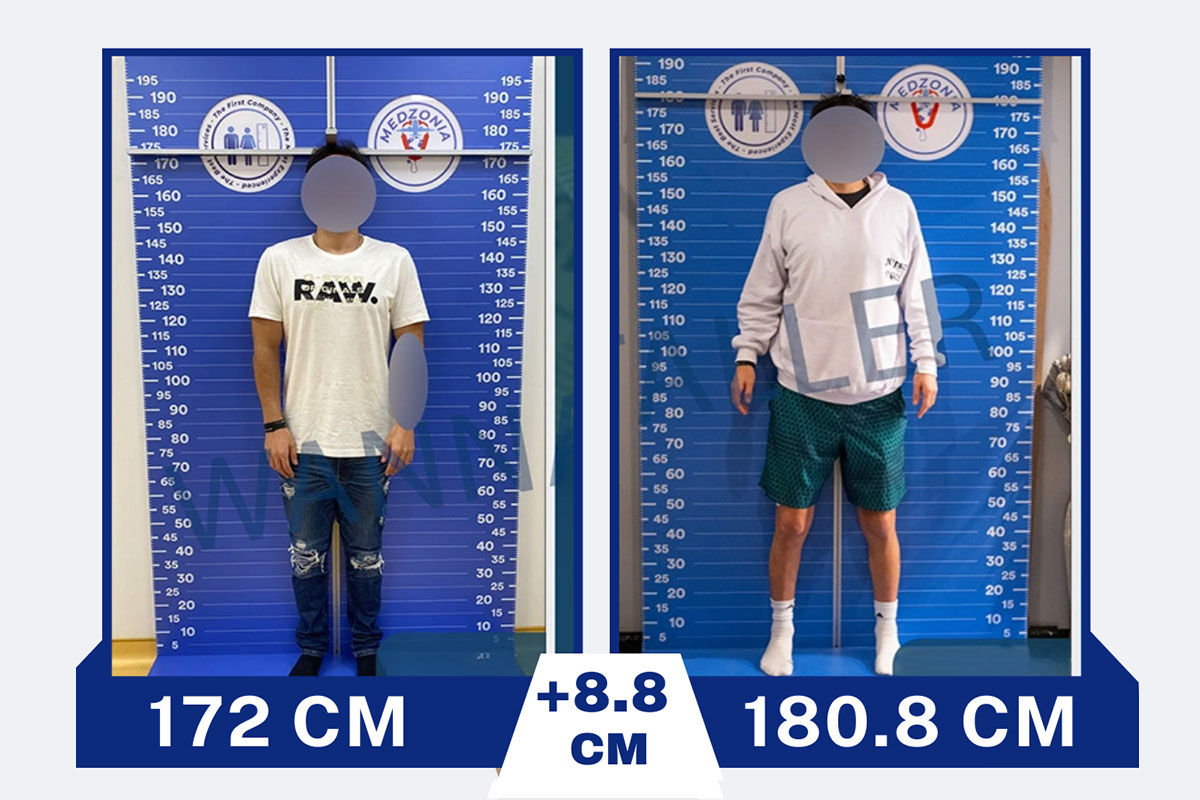
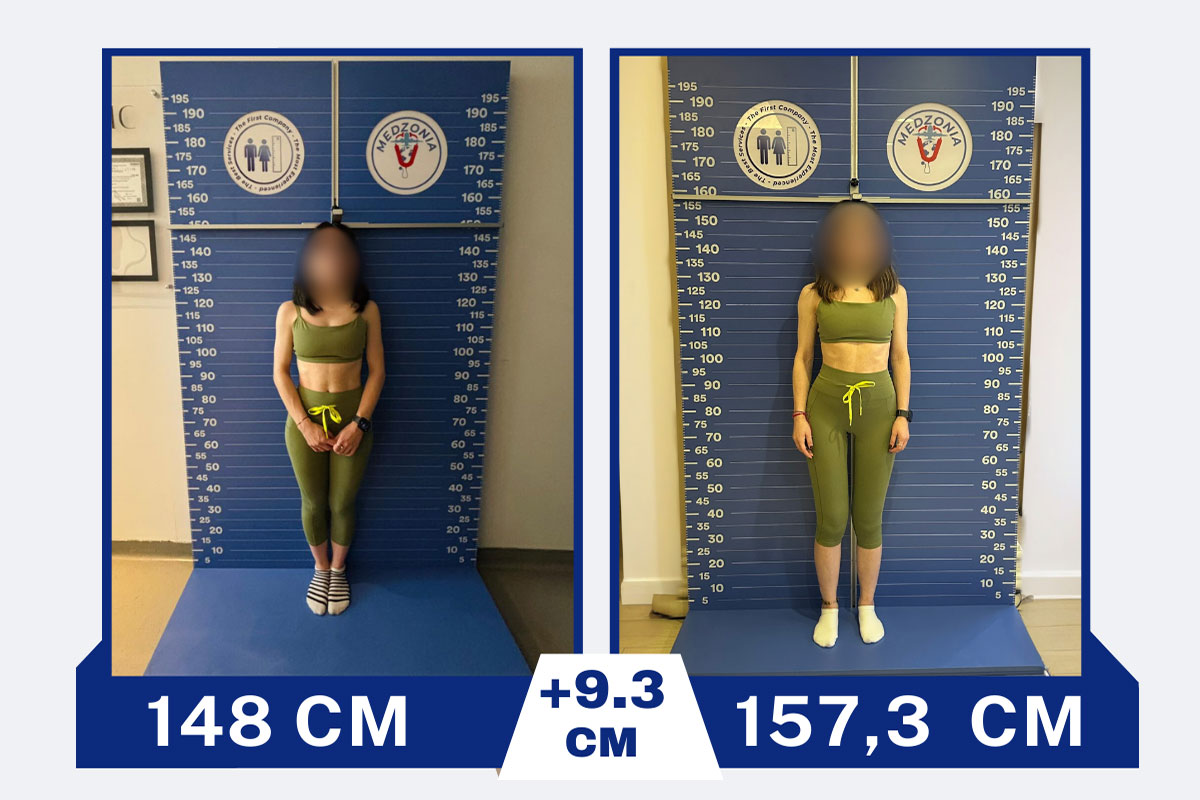
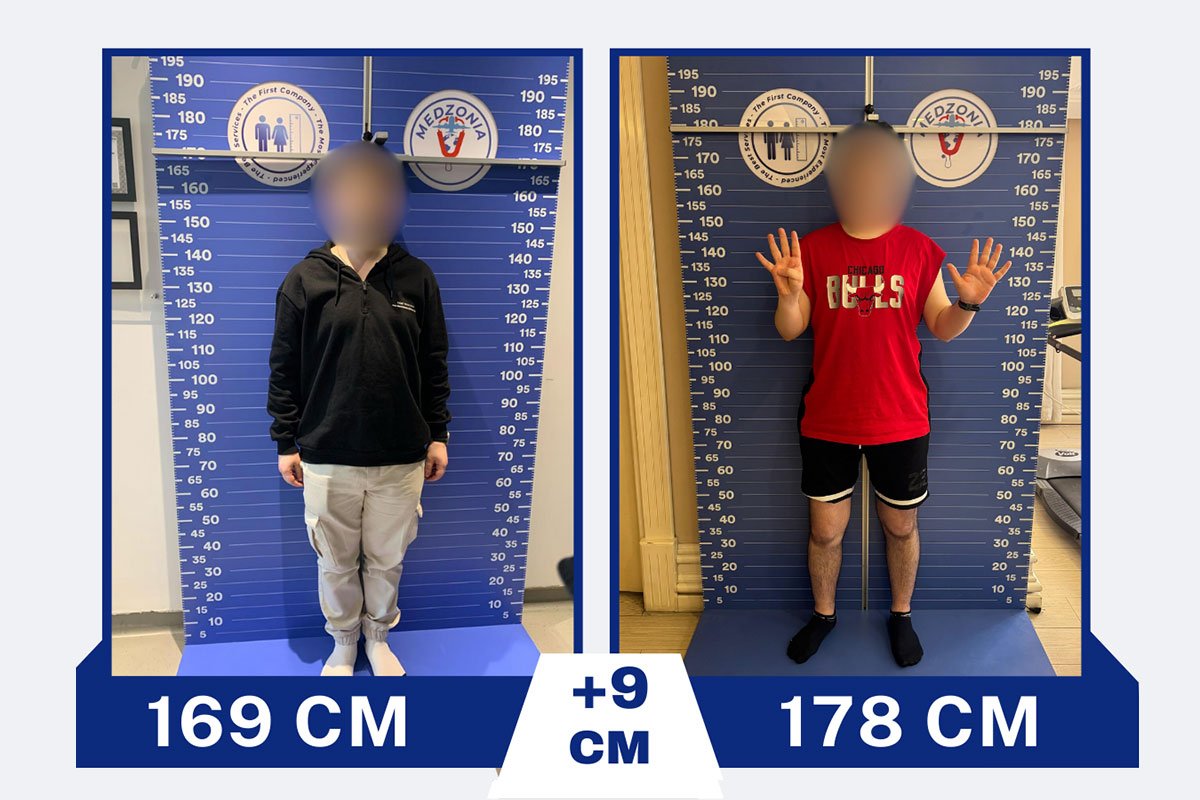
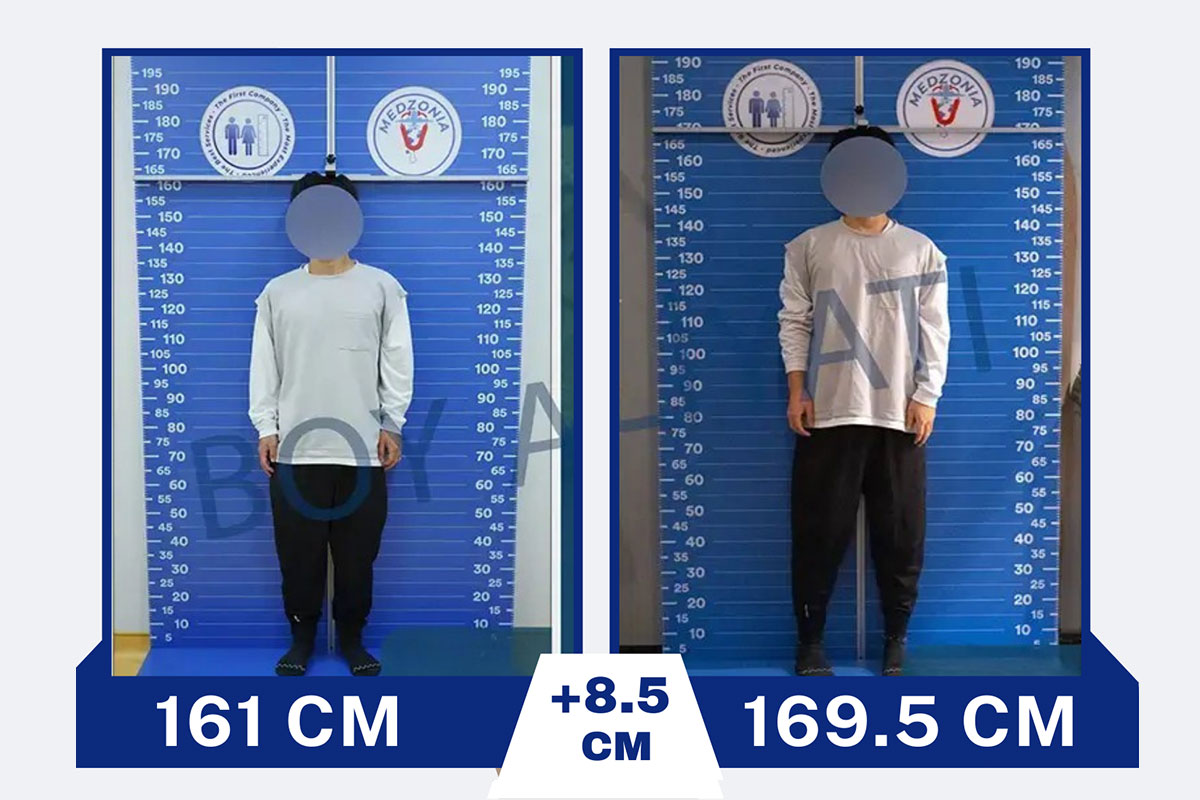
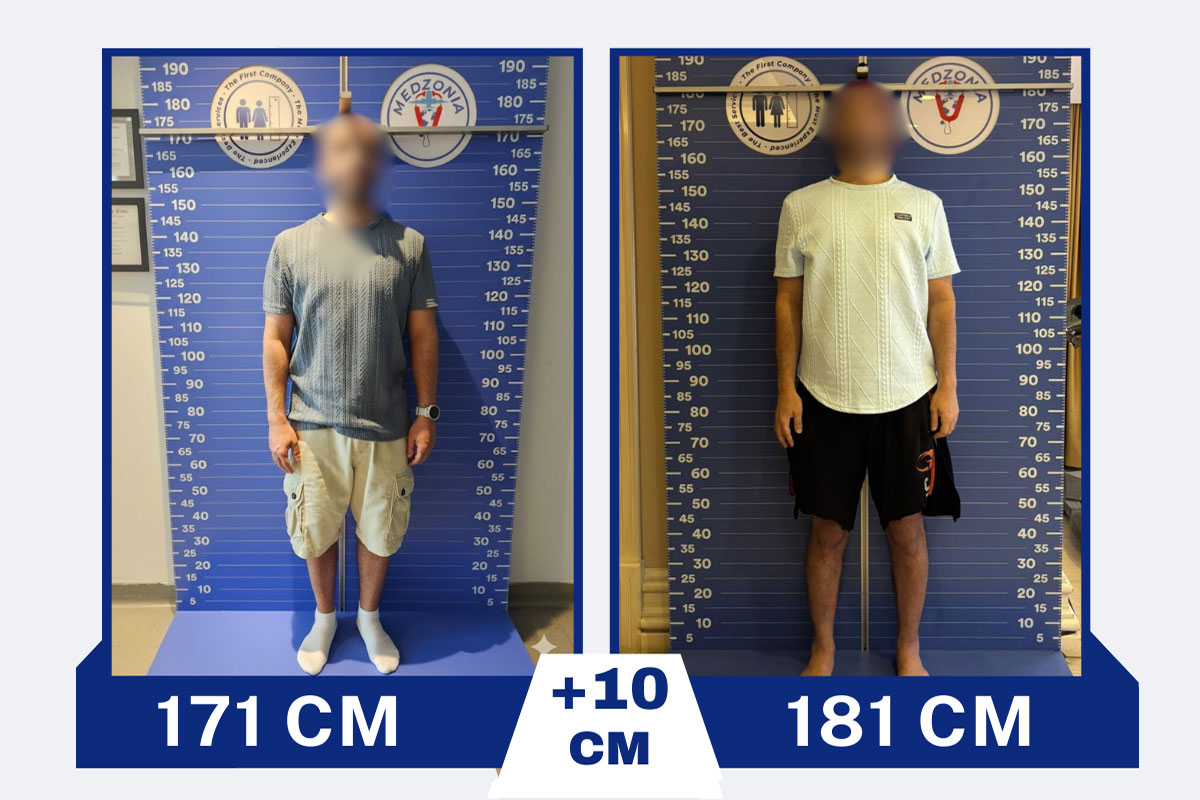
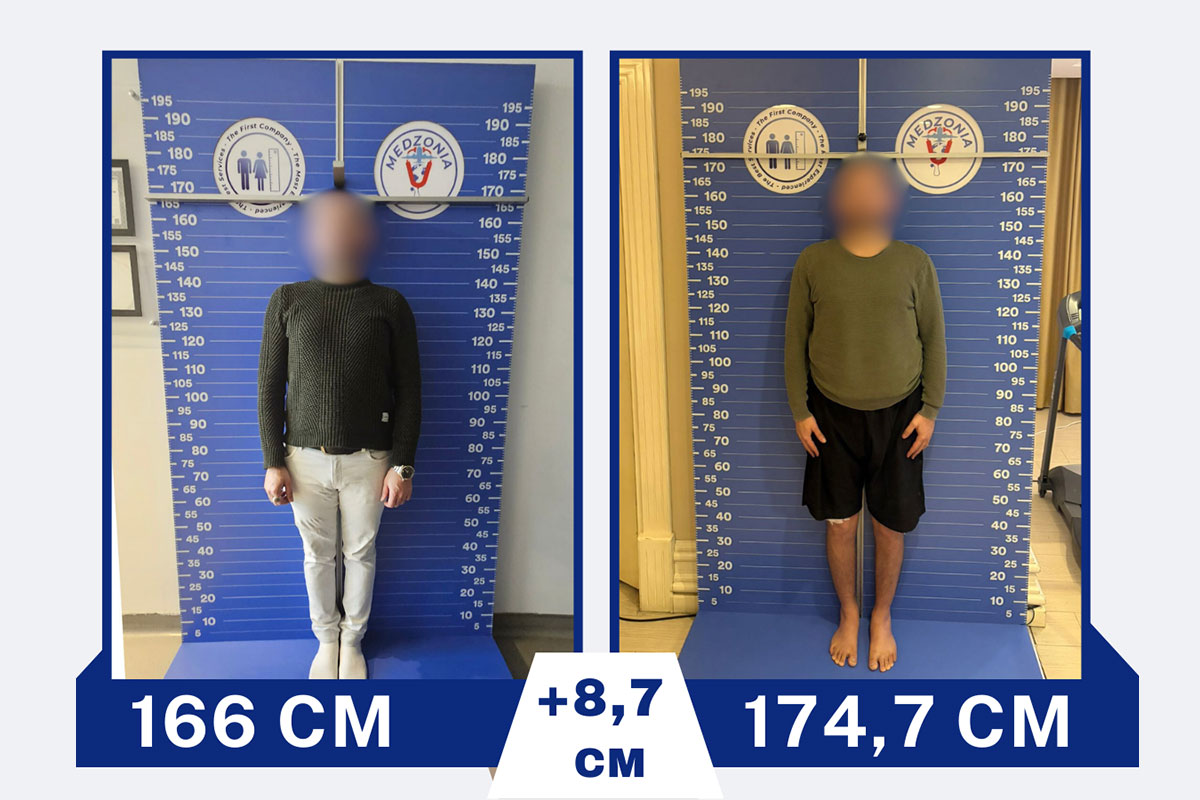
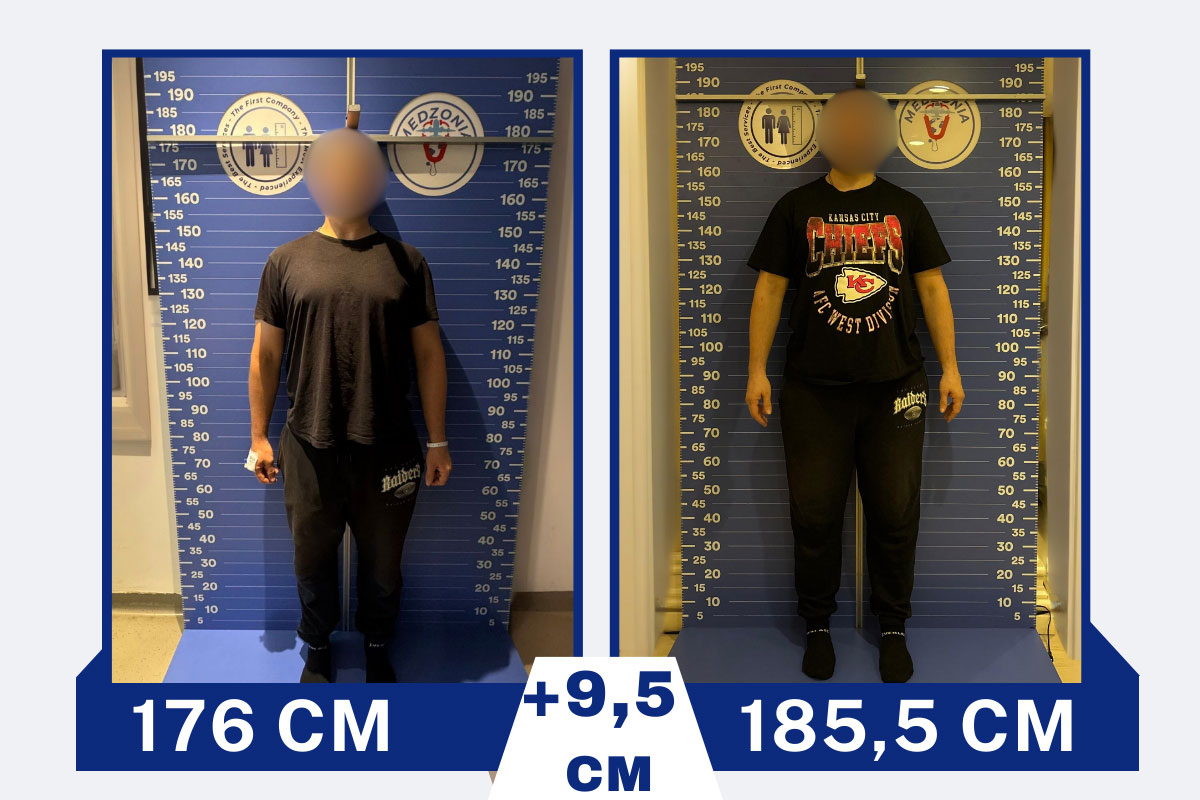
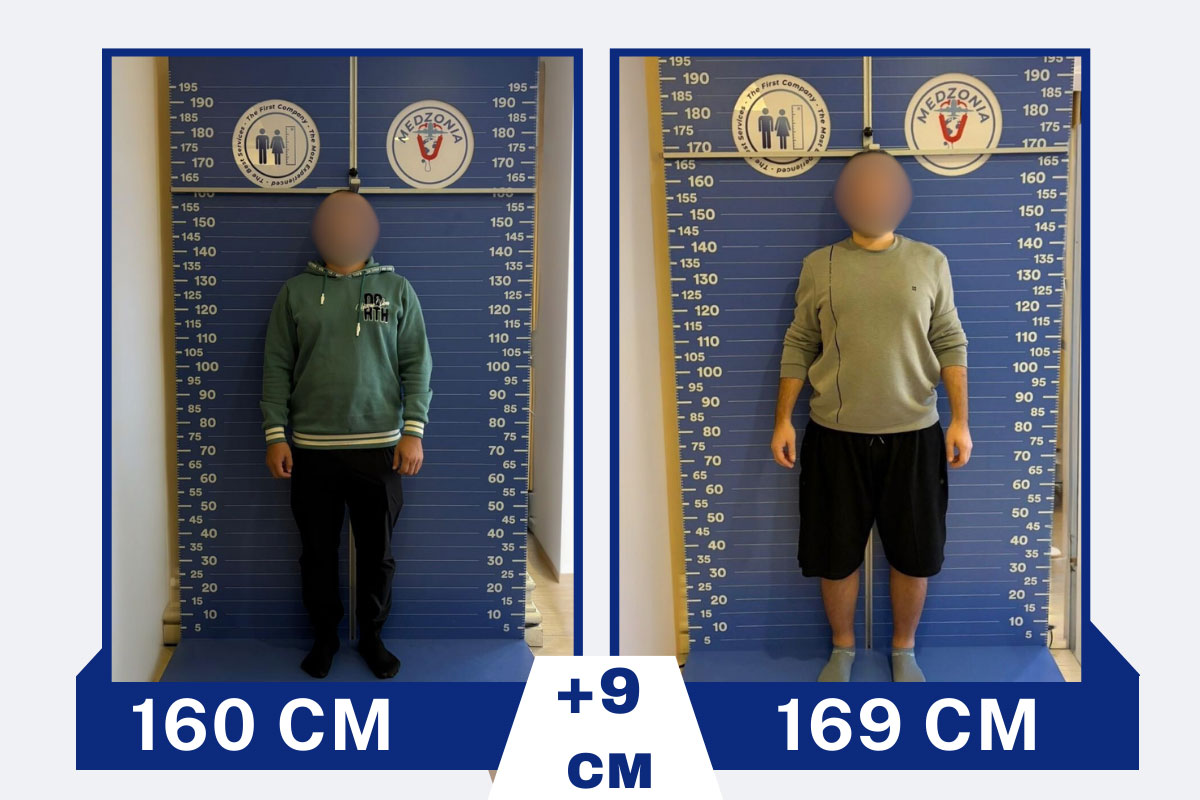
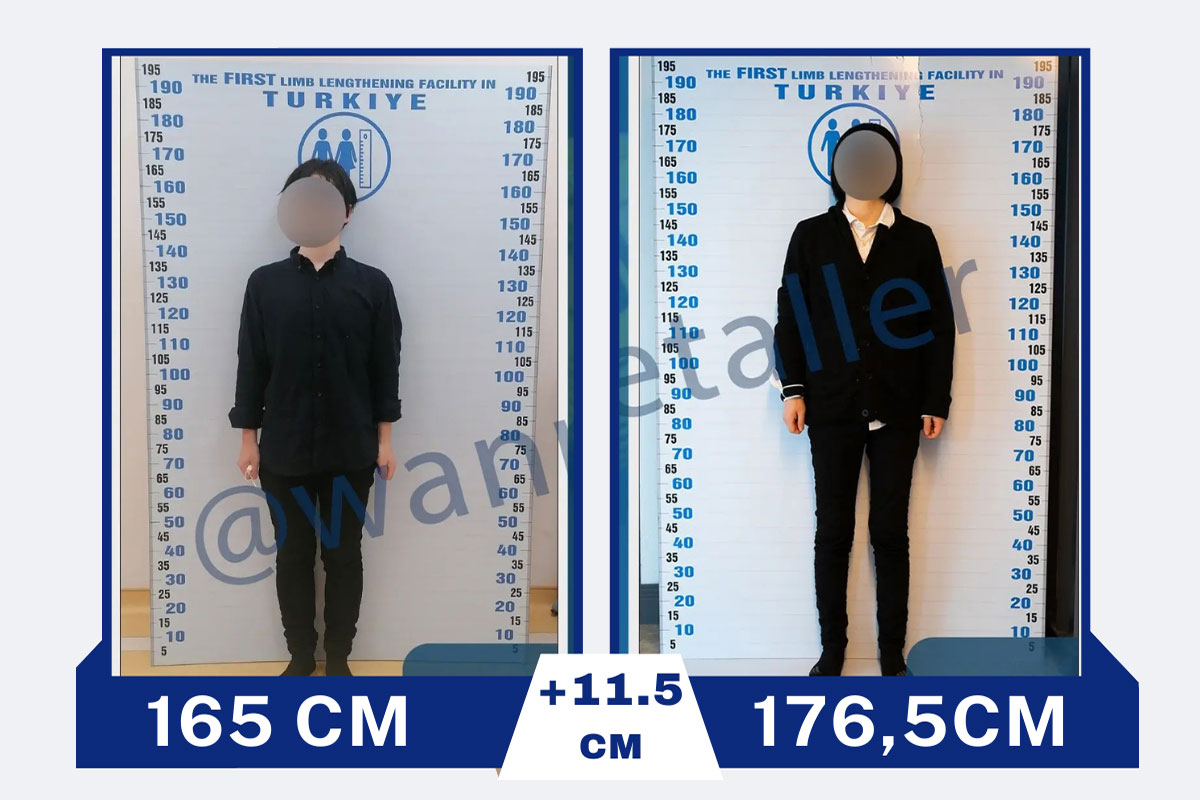
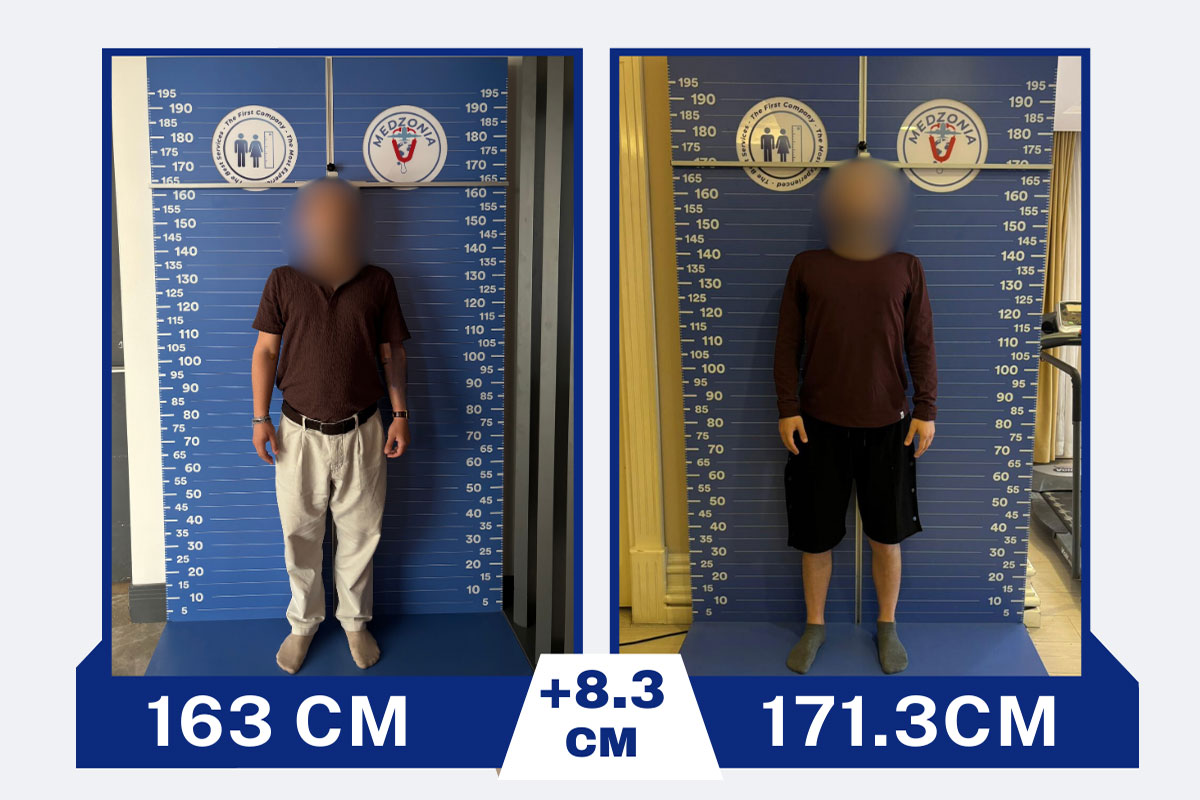
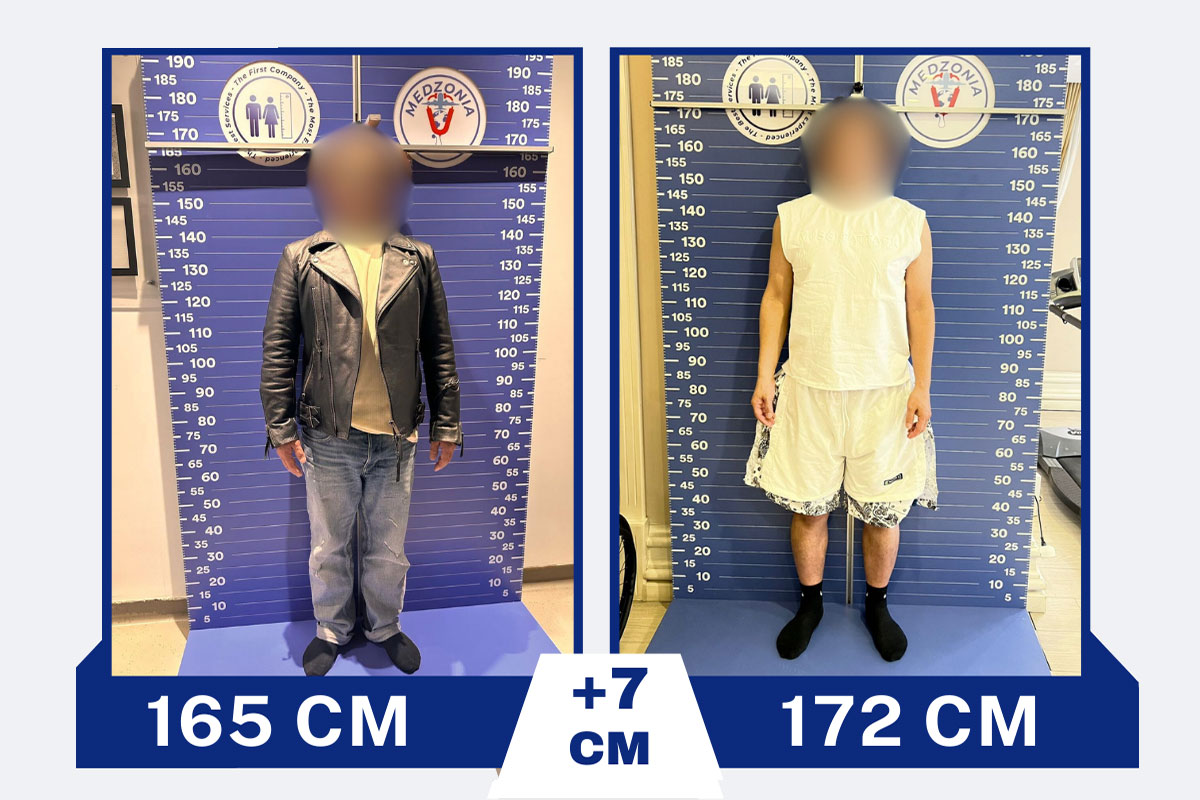
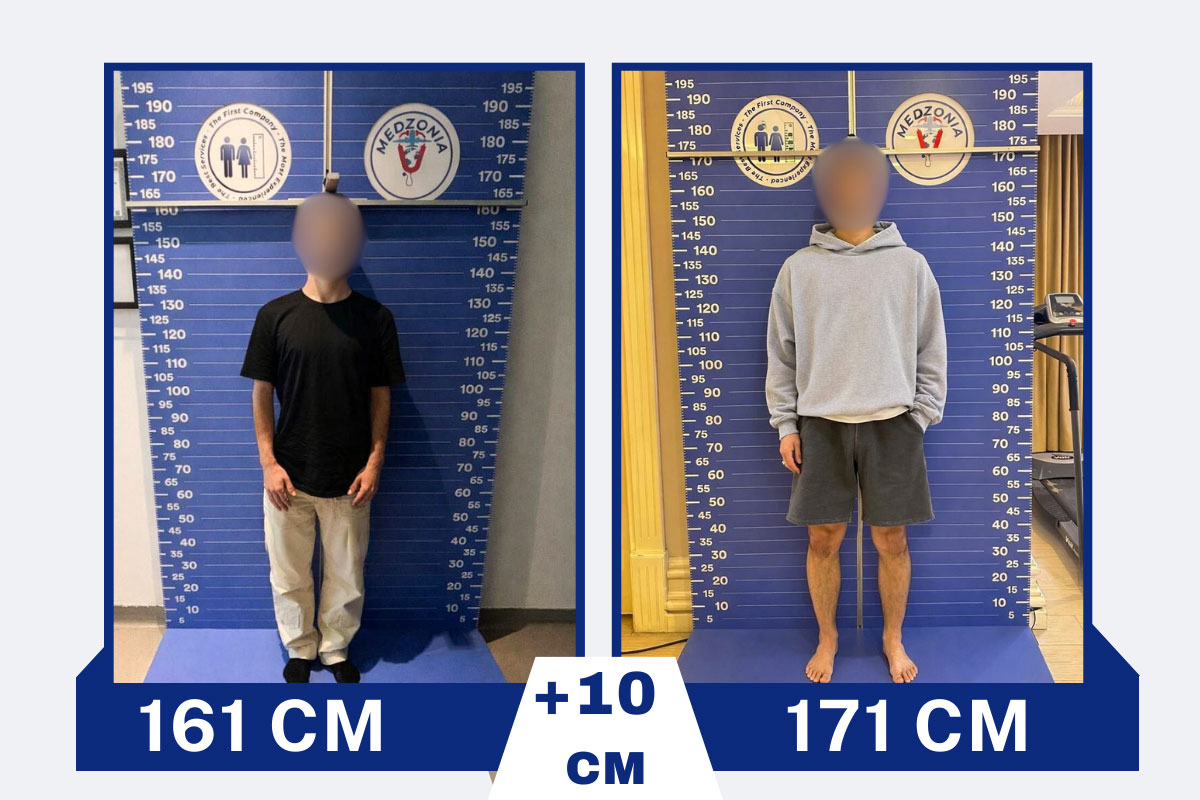
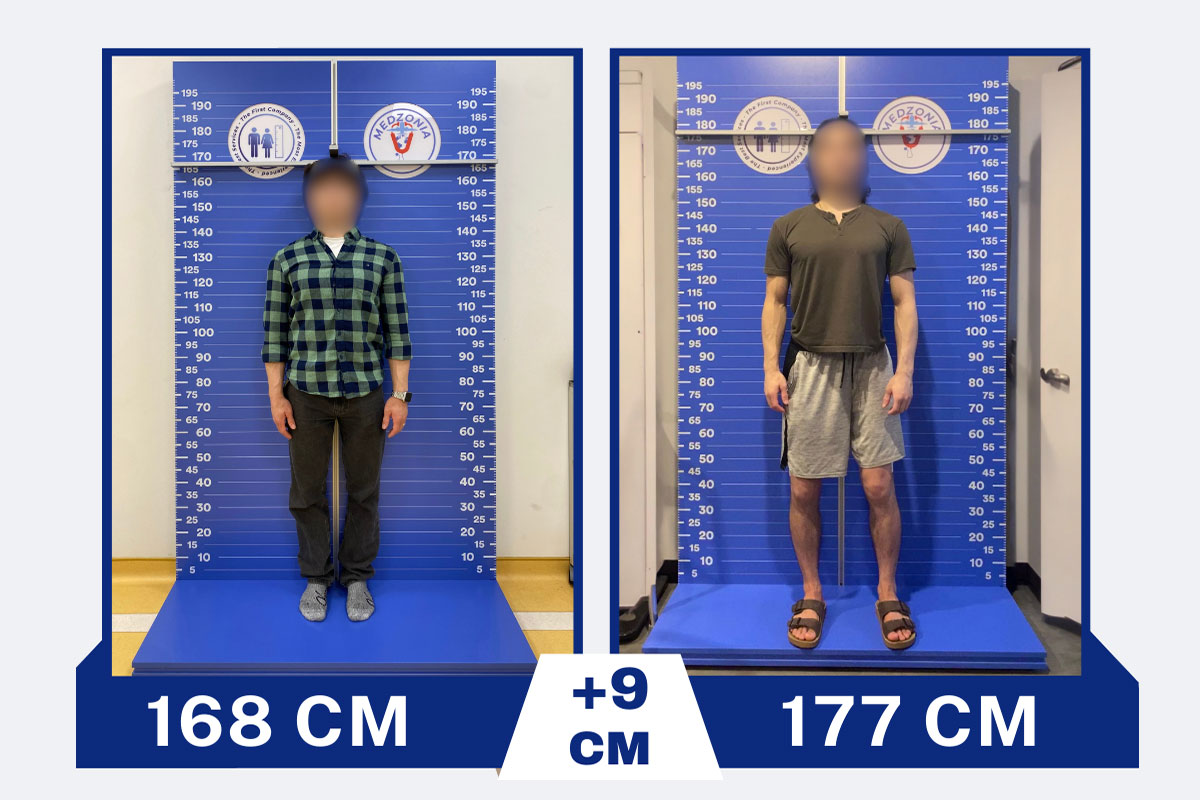
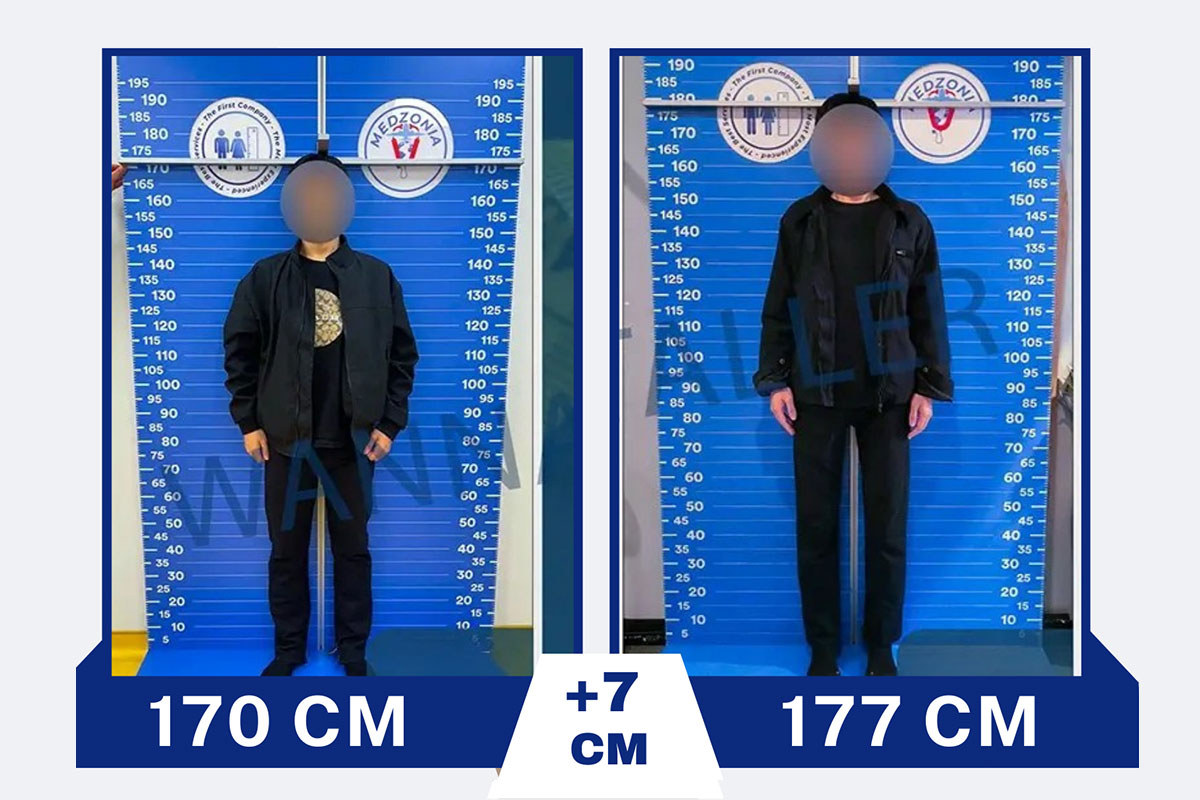
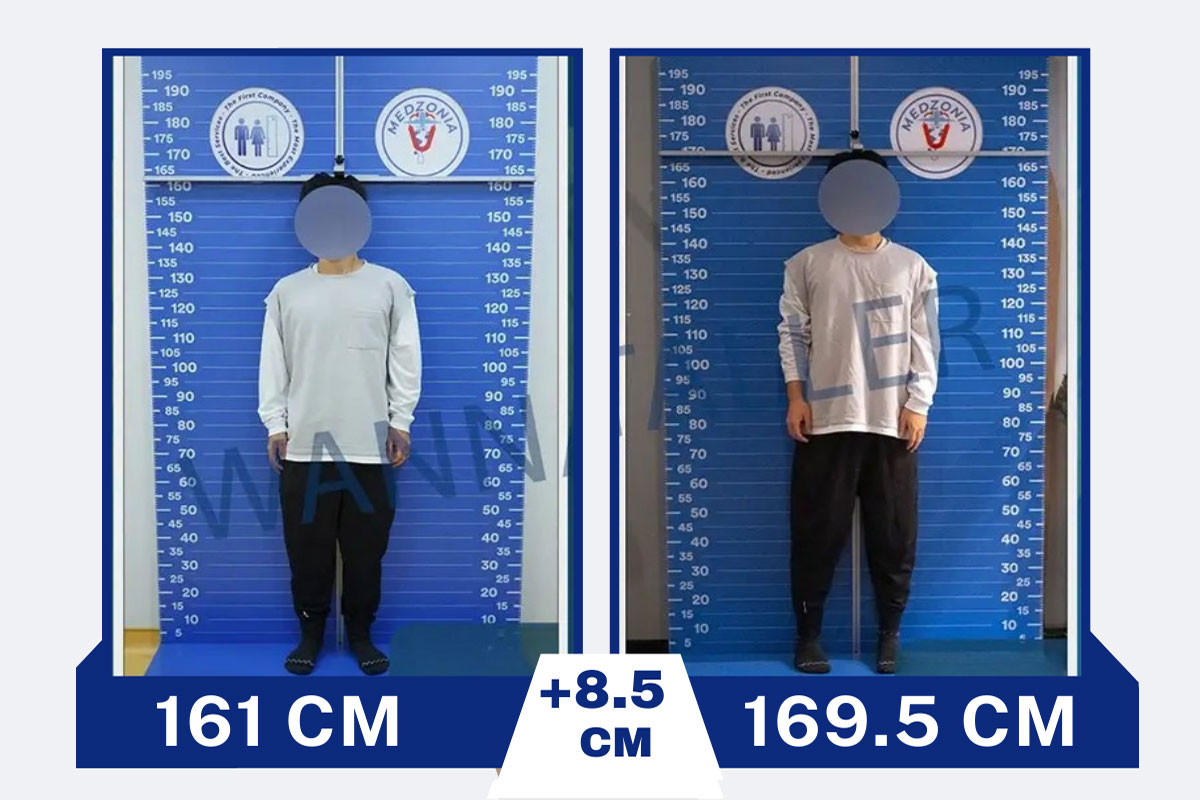
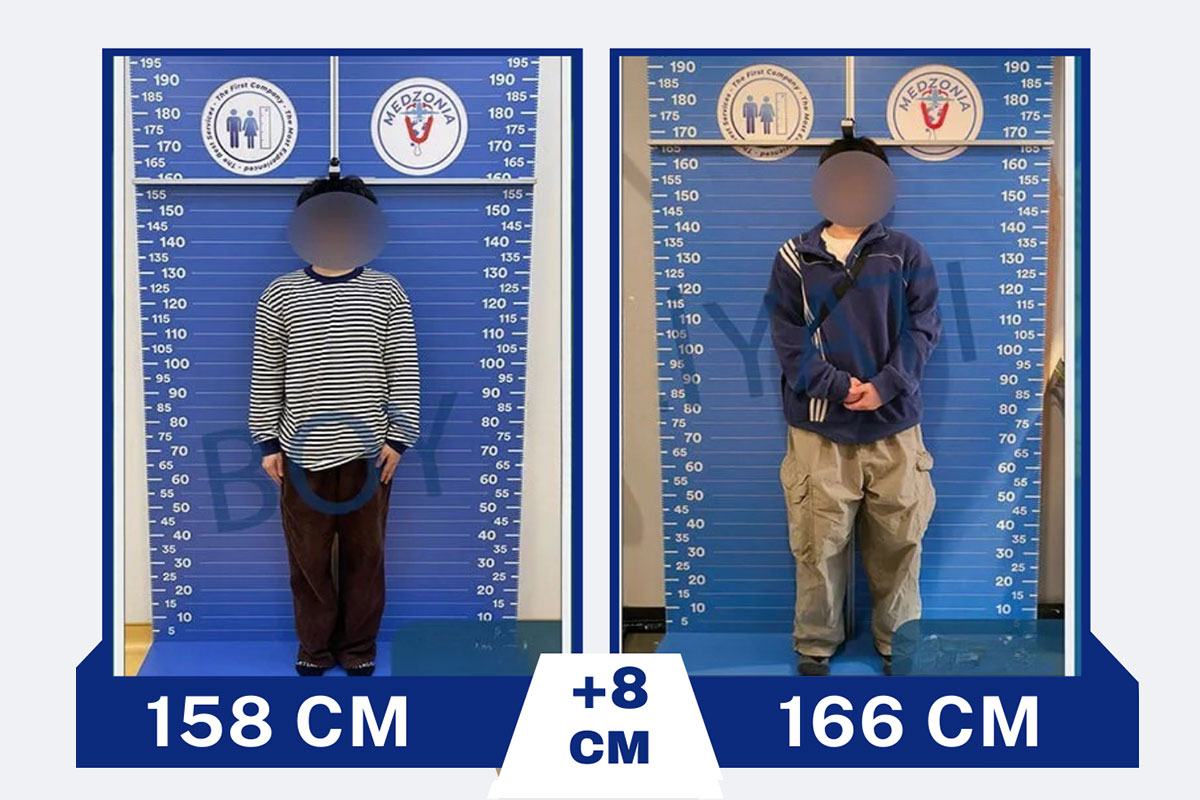
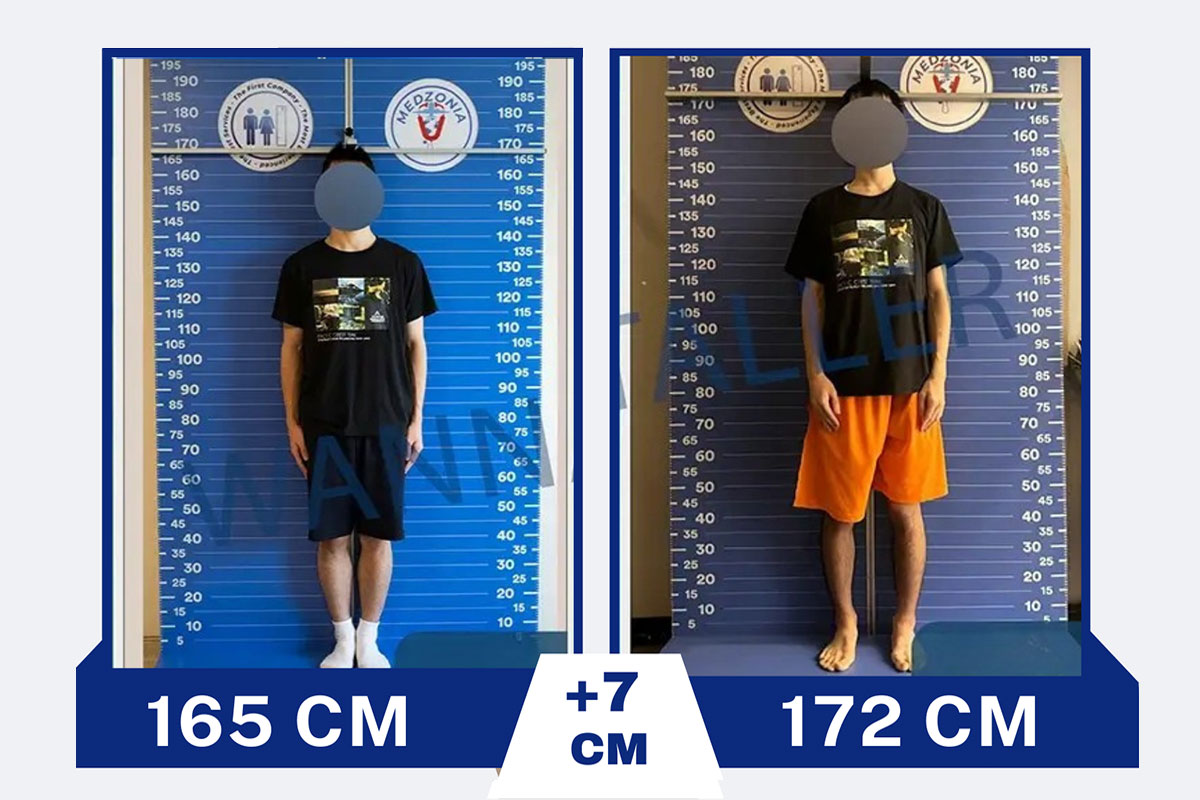
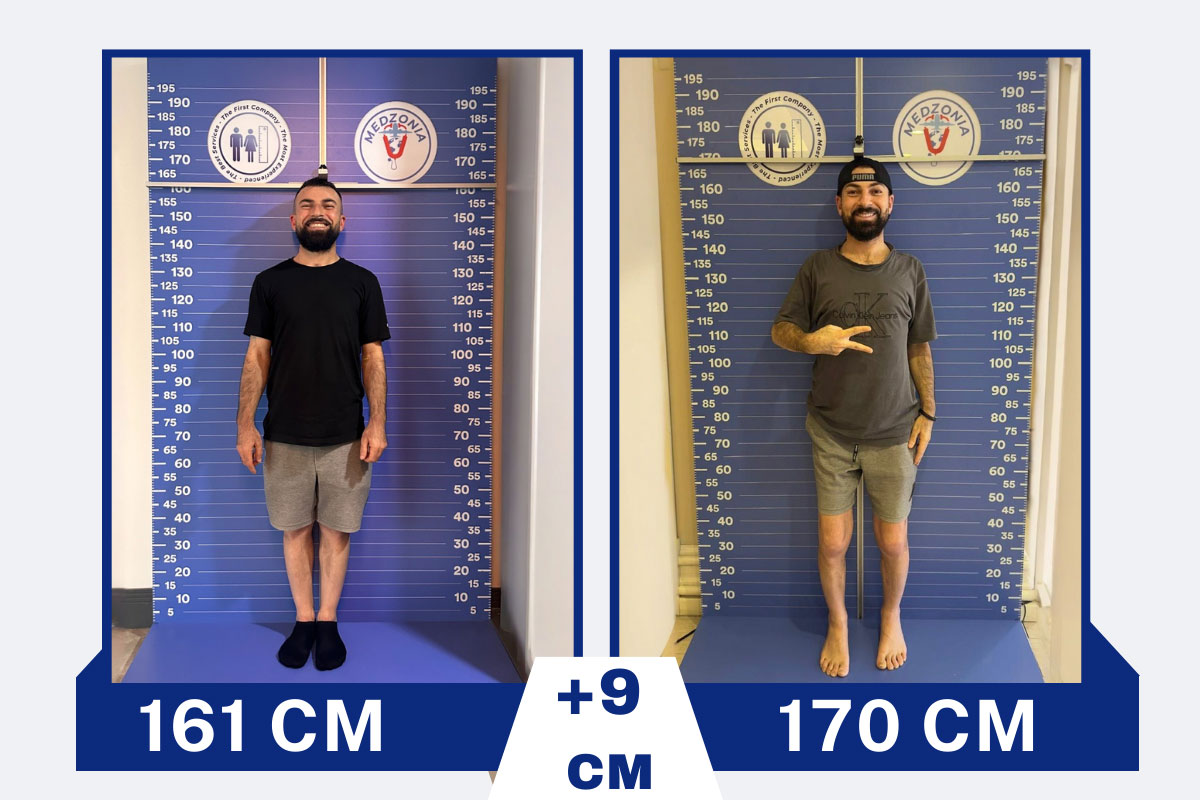
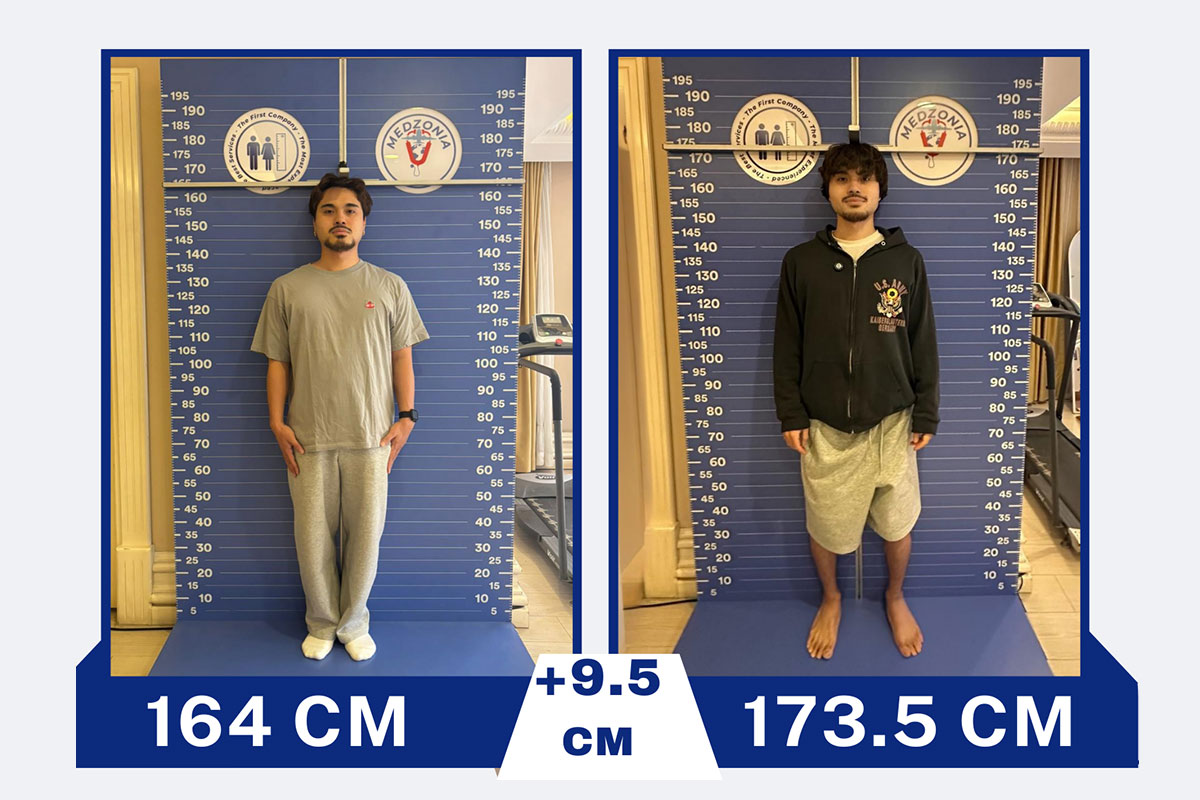
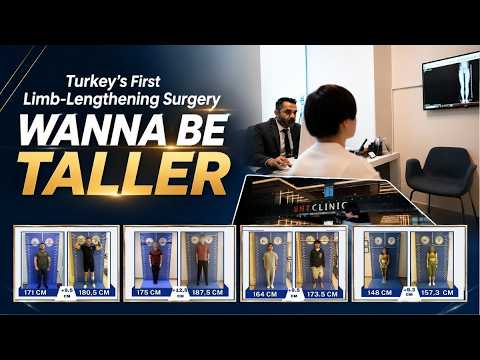
Explore real patient transformations from limb lengthening surgery, showcasing visible and measurable height increases.
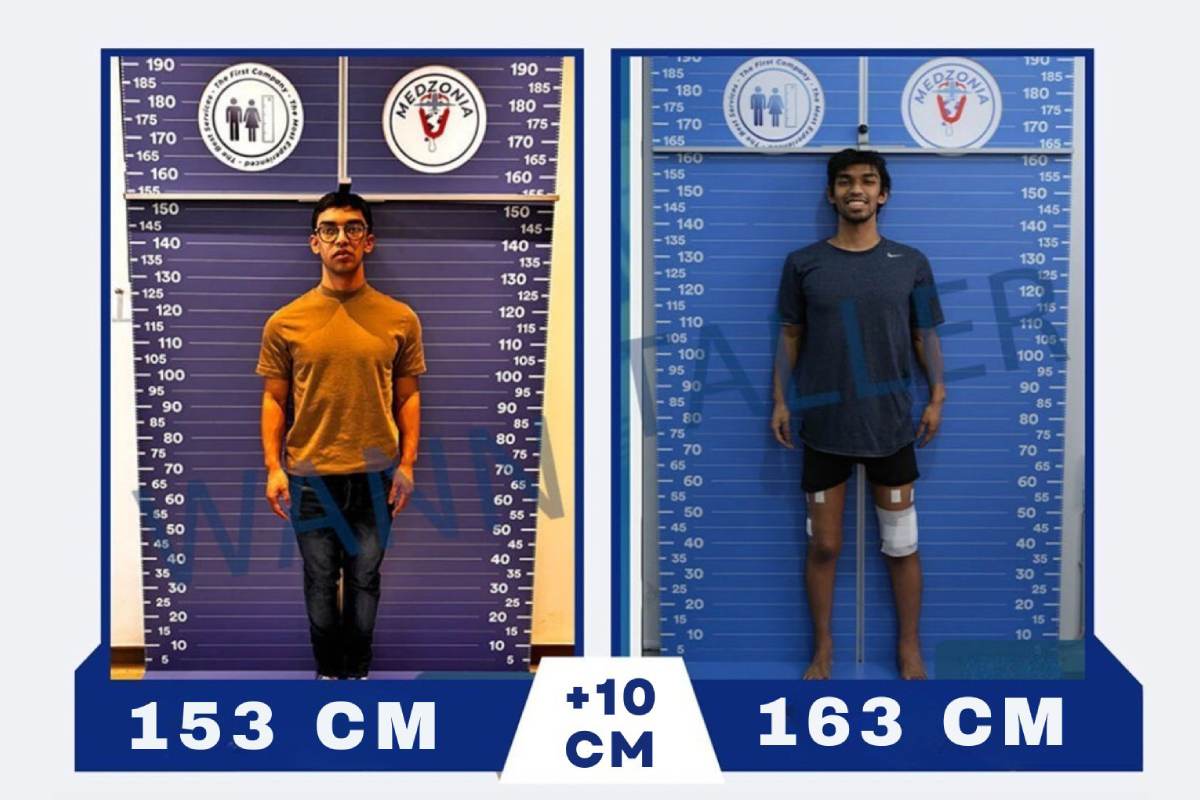
Limb Lengthening Surgery Methods
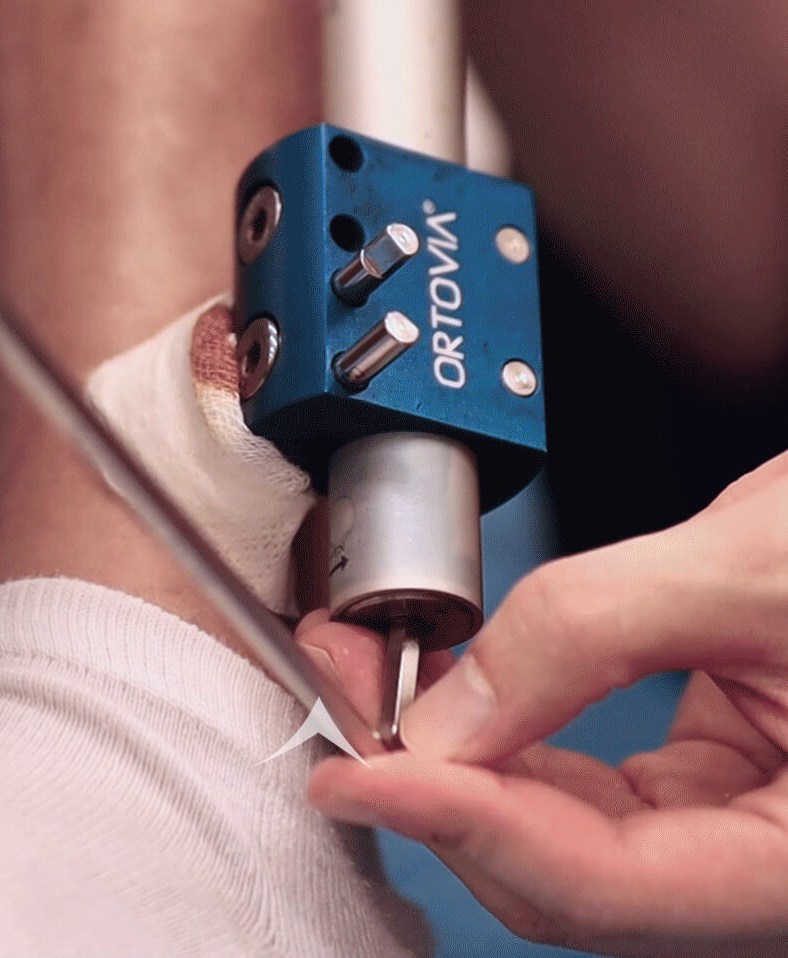
The LON method combines an internal nail with an external fixator to provide a stable and controlled lengthening process. It is a reliable and cost-effective option that allows early assisted mobility during treatment and supports faster patient adaptation.
- Combines an internal nail with an external fixator for a stable and controlled lengthening process
- Allows an average increase of 6–7 cm in the lower leg and 7–10 cm in the upper leg
- Enables early assisted walking during the lengthening phase
- External fixator is removed after the lengthening period (around 2–3 months)
- Independent walking without support typically begins after 5–6 months
- Known as a reliable and cost-effective option widely preferred by patients
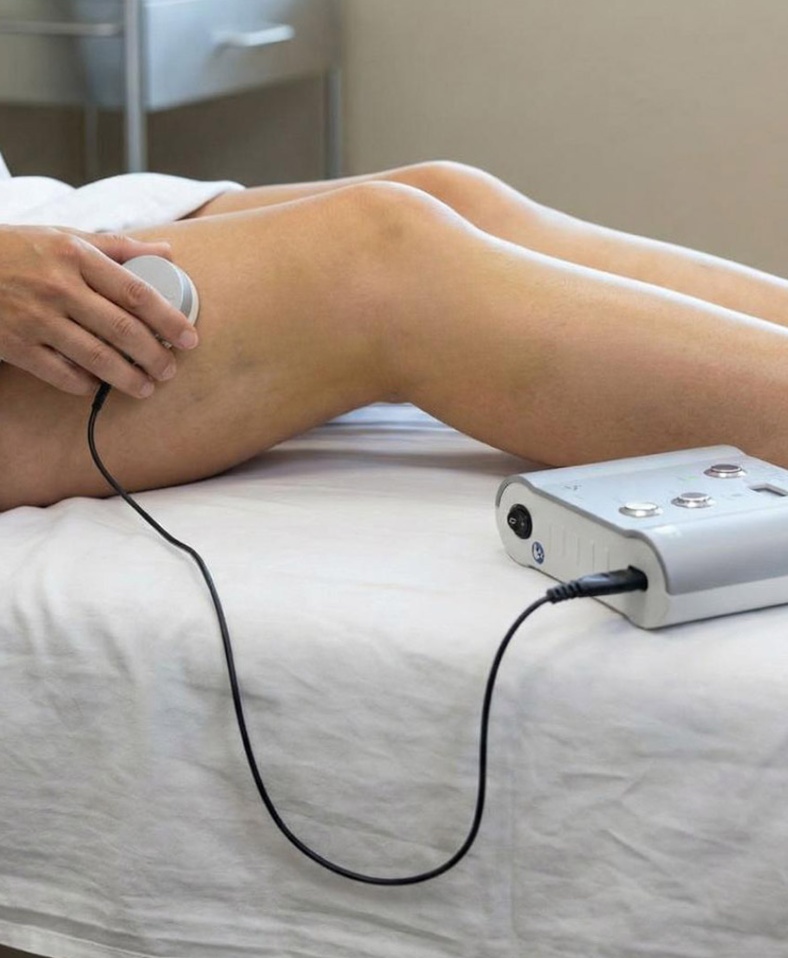
The Fitbone method is a motorized internal lengthening device that provides controlled and smooth bone distraction. It offers high comfort, provides better support during daily activities, and allows more natural movement during recovery for patients.
- Fully internal, motorized system controlled electronically for precise lengthening
- Designed to support daily activities with improved comfort during the process
- Provides approximately 6–7 cm lengthening in the lower leg and 8–8.5 cm in the upper leg
- No external device is used, offering a more aesthetic and convenient experience
- Patients usually begin walking without support after 5–6 months
- Offers a modern and comfortable solution with a high level of patient satisfaction
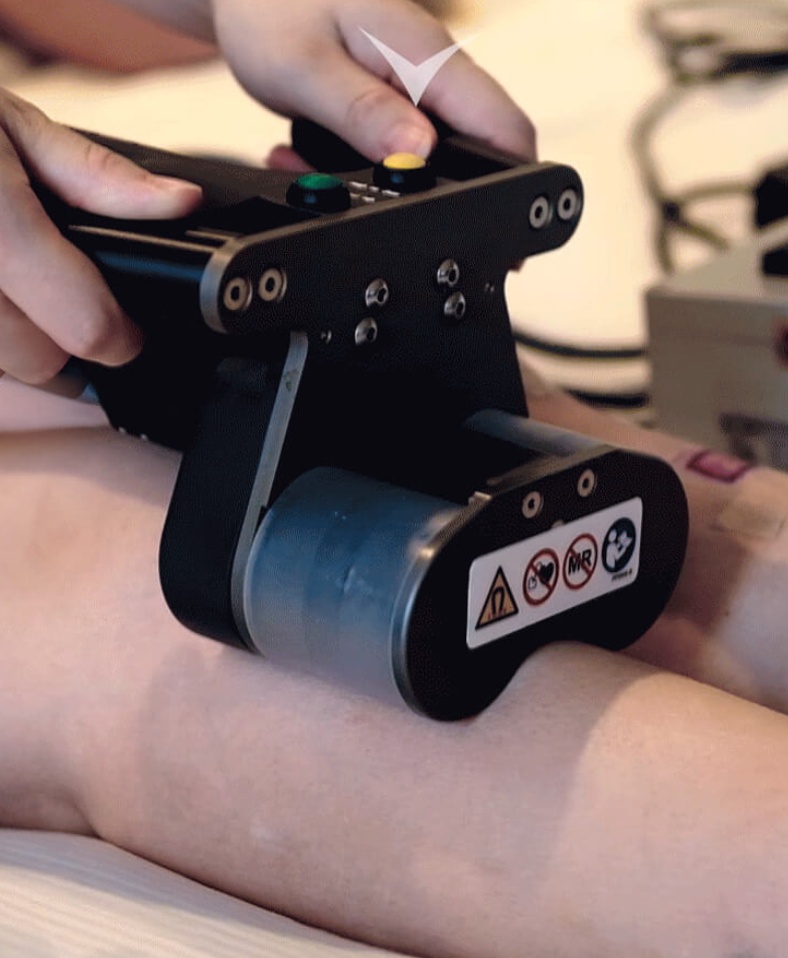
The Precice 2 method is a fully internal, magnetically controlled nail that enables precise and comfortable lengthening without external devices. It offers a more aesthetic and convenient recovery process with minimal visible scarring and improved patient comfort.
- Uses a magnetically controlled internal nail for gradual and precise bone lengthening
- Achieves around 5–7 cm in the lower leg and up to 8–8.5 cm in the upper leg
- Offers a more comfortable process without the need for external fixators
- Mobility is supported with assistive devices such as a wheelchair during lengthening
- Independent walking without support is typically possible after 5–6 months
- Provides a discreet and patient-friendly treatment experience with enhanced overall comfort
Plan your surgery step by step — and see your cost live
Nine short questions: your height goal, the method, where you recover and which services you want. You get an itemized estimate the way it’s discussed in a real consultation — no hidden fees.
Limb Lengthening Surgery Process
Pre-Evaluation
- Height, weight, and overall health condition are evaluated
- Leg proportions and target height increase are determined
- X-rays and necessary medical tests are performed
- The most suitable method (LON, Fitbone, or Precice) is selected
Pre-Operative Preparation
- Blood tests and anesthesia evaluation are carried out before surgery
- The patient is informed in detail about the entire process
- 12-hour fasting period is required before surgery
- Final checks are completed
Surgery (Operation Day)
- The procedure is performed under general anesthesia
- The bone is carefully cut (osteotomy)
- The selected device/system is implanted
- The surgery usually takes a few hours
Hospital Stay (3–5 Days)
- Pain is managed during the first days
- The patient is gradually mobilized
- Physical therapy begins
- Regular doctor check-ups are conducted
Lengthening Phase (2–3 Months)
- Approximately 1 mm of lengthening is achieved per day
- The patient receives regular physiotherapy
- Muscle and joint flexibility are maintained
- Regular X-ray follow-ups are performed
Bone Healing (Consolidation Phase)
- After lengthening is completed, the bone begins to harden
- Walking ability gradually improves
- Physical therapy continues
- This phase may take several months depending on bone healing capacity
Return to Daily Life
- Walking without assistance is typically possible after 5–6 months
- Full recovery typically takes 9–12 months
- Sports and active lifestyle are gradually resumed
Additional Surgery (If Required)
- In the LON method, the external fixator is removed
- In internal methods (Fitbone / Precice), implant removal may be planned at a later stage






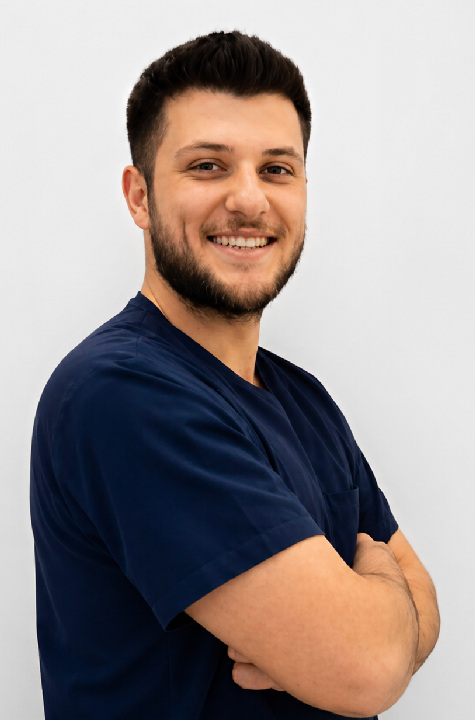









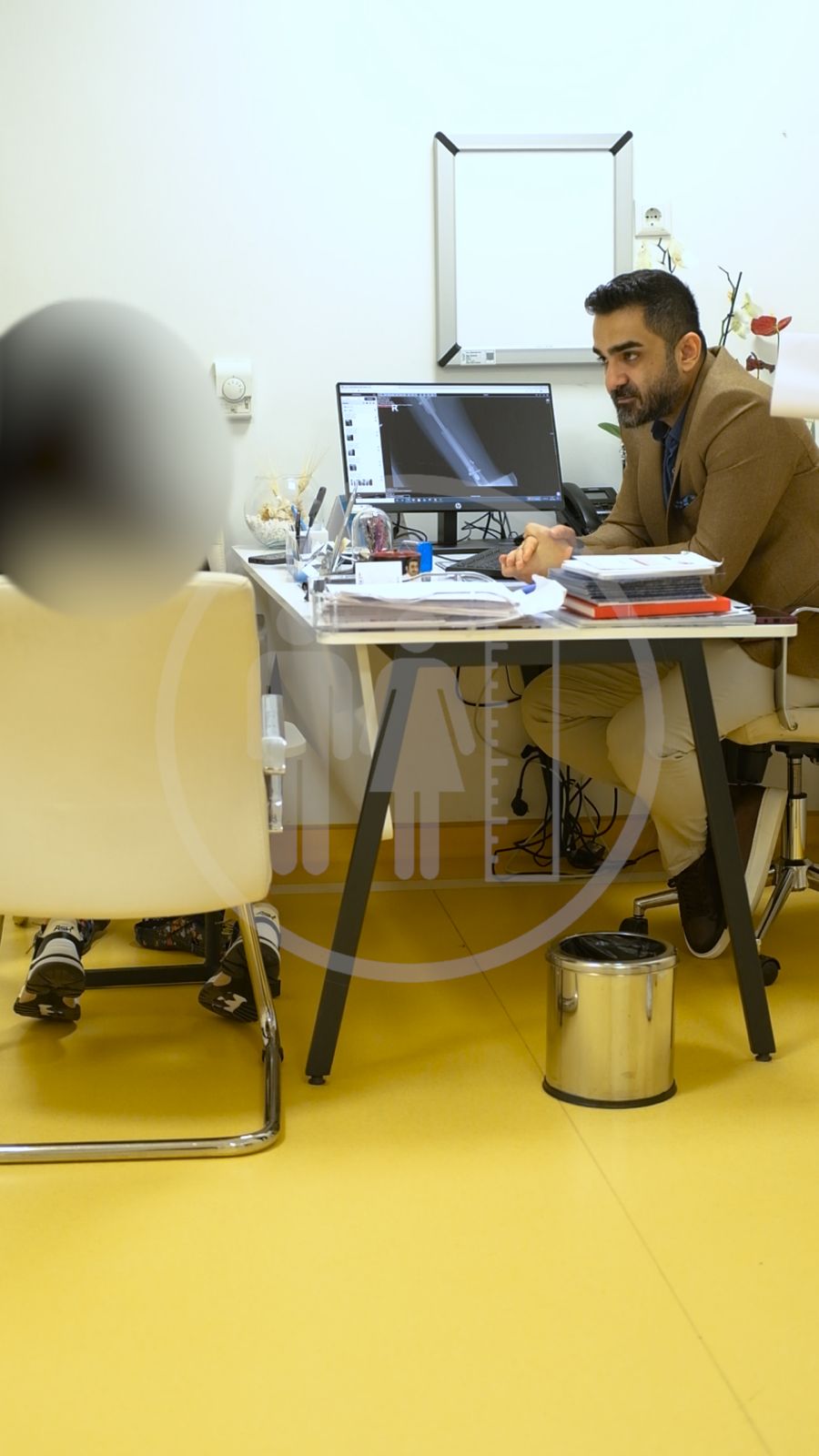
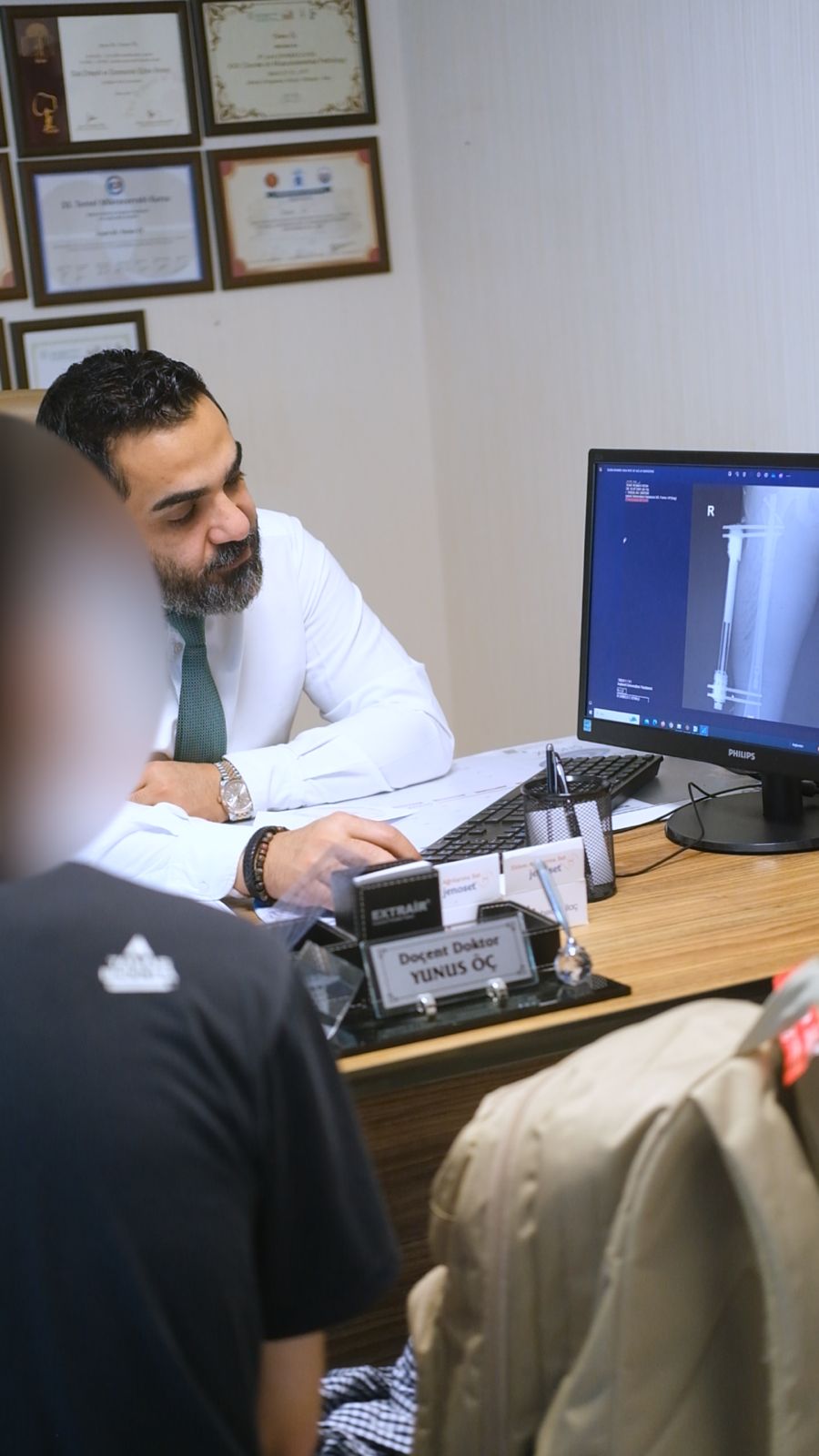
Dr. Yunus Öç is a highly experienced orthopedic surgeon specializing in limb lengthening surgery and deformity correction. With a strong academic background and years of surgical practice, he focuses on delivering safe, precise, and personalized treatments for patients seeking height increase solutions. His approach combines modern medical technology with patient-centered care, ensuring each individual receives the most suitable treatment plan.
Throughout his career, Dr. Yunus Öç has successfully performed numerous limb lengthening surgery procedures using advanced techniques such as LON, Fitbone, and Precice systems. He carefully evaluates each patient’s bone structure, flexibility, and overall health to determine the safest and most effective strategy. His goal is not only to increase height but also to maintain natural body proportions and long-term functionality.
Dr. Yunus Öç performs limb lengthening surgery at a fully equipped, internationally recognized hospital environment, working alongside a multidisciplinary medical team. From pre-operative assessment to post-operative rehabilitation, every stage of the process is managed with meticulous attention. Patients are closely monitored with regular follow-ups, physiotherapy support, and detailed progress tracking to ensure optimal healing.
With a commitment to excellence, Dr. Yunus Öç continues to refine his expertise in limb lengthening surgery, prioritizing patient safety, comfort, and successful outcomes. His transparent communication, ethical approach, and dedication to innovation have made him a trusted choice for international patients seeking reliable and high-quality height increase treatments.

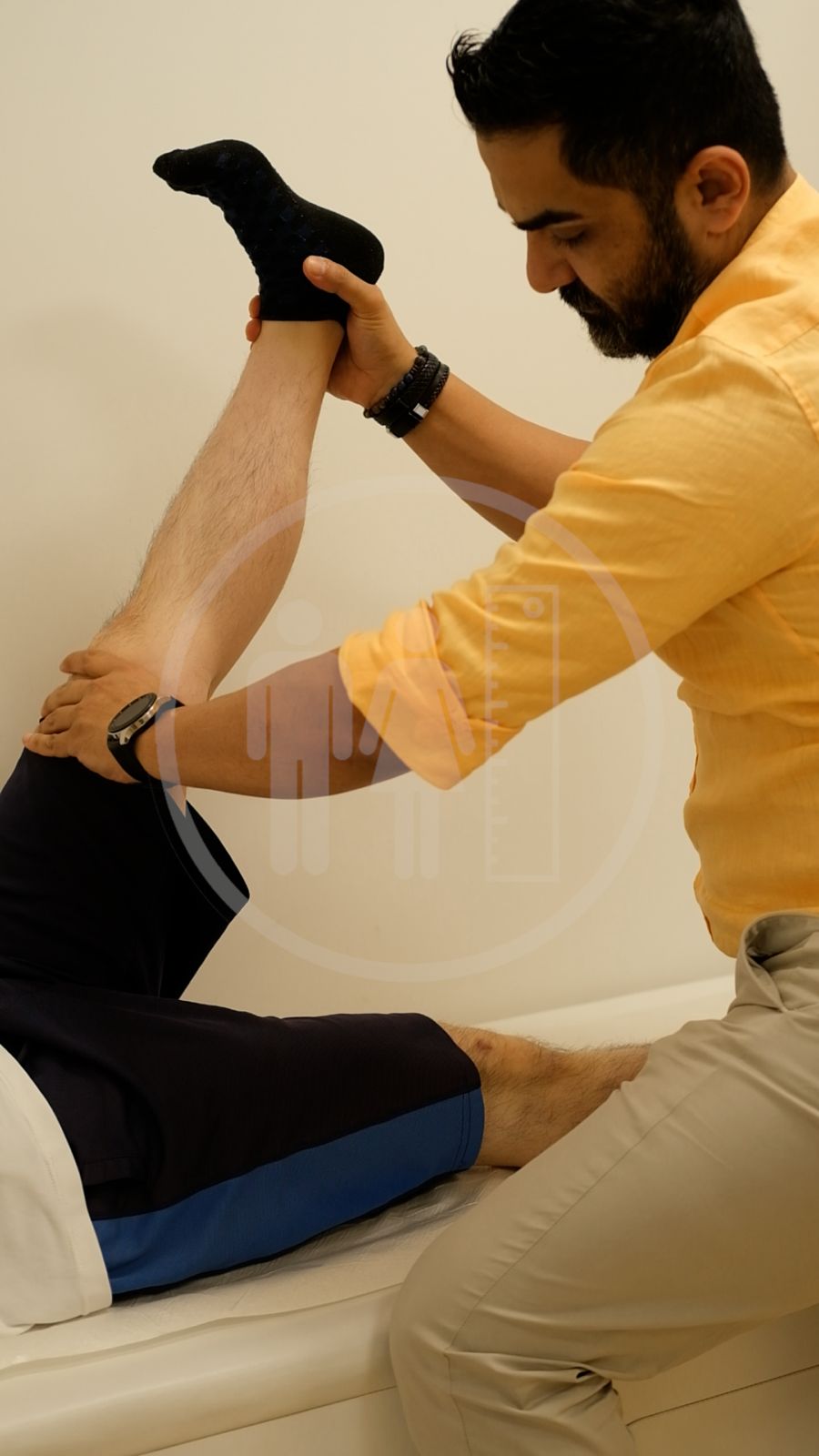
What is Limb Lengthening Surgery
Limb lengthening surgery is an advanced orthopedic procedure that aims to increase a person’s height by gradually extending the bones in the legs. This technique is based on the body’s natural ability to regenerate bone tissue. After a controlled surgical cut, the bone is slowly separated using specialized medical devices, allowing new bone to form in the gap over time.
The process is performed in carefully planned stages to ensure both safety and effectiveness. Following the operation, a gradual lengthening phase begins, typically progressing at a rate that supports healthy bone regeneration. Throughout this period, patients are closely monitored with regular medical check-ups and imaging to track healing and ensure proper alignment.
This procedure is suitable for individuals who wish to increase their height for personal reasons, as well as for those with medical conditions such as limb length discrepancies or structural irregularities. Each treatment plan is customized based on the patient’s physical characteristics, goals, and overall health condition, ensuring a personalized and balanced outcome.
Recovery is a structured and closely guided journey. Physical therapy plays a crucial role in maintaining joint flexibility, muscle strength, and mobility during and after the lengthening phase. With consistent follow-up and proper rehabilitation, patients gradually regain independence and return to their daily routines over time.
Today, limb lengthening surgery is considered a safe and effective option when performed by experienced specialists using modern techniques. With the support of advanced technology and comprehensive care, patients can achieve not only an increase in height but also improved body proportions, confidence, and overall quality of life.
Who is a good candidate for limb lengthening surgery?
Limb lengthening surgery is suitable for both individuals seeking cosmetic height increase and patients with medical conditions such as leg length discrepancy or bone deformities. Ideal candidates are generally in good overall health, have realistic expectations, and are committed to following the rehabilitation process. A detailed evaluation, including physical examination and imaging, is required to determine eligibility and ensure the procedure can be performed safely.
How much height can be gained with surgery?
The achievable height increase depends on several factors such as bone quality, flexibility, and the chosen method. On average, patients can gain between 6 to 10 cm in a single procedure. In some cases, with careful planning and staged surgeries, greater increases may be possible. However, patient safety and maintaining natural body proportions are always the top priorities.
How long does the entire process take?
The full process typically ranges from 9 to 12 months. This includes the surgery, the lengthening phase, and the bone consolidation period. While the active lengthening phase usually lasts around 2 to 3 months, the remaining time is dedicated to bone healing and rehabilitation. Each patient’s timeline may vary depending on their recovery speed and adherence to physiotherapy.
Is limb lengthening surgery painful?
Pain levels vary from patient to patient, but modern pain management techniques help keep discomfort under control. The most noticeable discomfort usually occurs during the early days after surgery and during the lengthening phase. With proper medication, physiotherapy, and medical supervision, most patients are able to manage the process effectively.
When can I start walking after the surgery?
Patients are usually encouraged to begin assisted mobility within a few days after surgery. Depending on the method used, walking with support such as crutches or a walker may start early. Independent walking without assistance is typically possible after several months, once sufficient bone healing has occurred.
What is the role of physiotherapy during the process?
Physiotherapy is a critical part of the treatment. It helps maintain joint flexibility, muscle strength, and overall mobility throughout the lengthening and recovery phases. Regular sessions reduce the risk of stiffness and complications, ensuring a smoother and more successful outcome. Patients who follow their physiotherapy program consistently tend to achieve better results.
Are there any risks or complications?
Like any surgical procedure, limb lengthening surgery carries certain risks, including infection, delayed bone healing, joint stiffness, or nerve sensitivity. However, when performed by experienced surgeons and followed by proper care, these risks are minimized. Close monitoring and early intervention are key to managing any potential complications.
Will the results look natural?
Yes, achieving natural and proportional results is one of the main goals of the procedure. Careful planning ensures that the amount of lengthening is balanced with the patient’s body proportions. Surgeons take into account factors such as torso-to-leg ratio to maintain a natural appearance
Can both legs be lengthened at the same time?
Yes, both legs are typically lengthened simultaneously to maintain symmetry and balance. This is a standard approach in cosmetic limb lengthening procedures. However, when planning multiple segments (such as both femur and tibia), surgeries are usually performed in separate stages for safety reasons.
When can I return to work or daily activities?
This depends on the nature of your job and your recovery progress. Patients with desk jobs may return to work within a few weeks to a couple of months. More physically demanding activities require a longer recovery period. Gradual return to normal life is recommended under medical guidance.
Is the procedure permanent?
Yes, the results of limb lengthening surgery are permanent. Once the new bone fully forms and consolidates, the increased height remains stable for life. Proper post-operative care ensures long-term success and durability of the results.
What kind of anesthesia is used during surgery?
The procedure is performed under general anesthesia, meaning the patient is fully asleep and does not feel any pain during the operation. An experienced anesthesia team monitors the patient throughout the procedure to ensure safety and comfort.
Do I need to stay in the hospital after surgery?
Yes, patients typically stay in the hospital for a few days after the procedure. During this time, pain management, initial mobilization, and early physiotherapy are initiated. The medical team ensures the patient is stable before discharge.
How often are follow-up checks required?
Regular follow-up appointments are essential throughout the process. X-rays are usually taken periodically to monitor bone growth and alignment. These check-ups allow the surgeon to adjust the treatment plan if necessary and ensure everything is progressing as expected.
Will there be visible scars?
There may be small scars depending on the surgical method used, but they are usually minimal and fade over time. Internal methods tend to leave less visible scarring compared to external devices. Proper wound care can further improve the appearance of scars.
Can I travel during the treatment process?
Travel may be possible after the initial recovery period, but it is generally recommended to stay close to the treatment center during the early stages. This ensures easy access to medical care, physiotherapy, and follow-up visits. Any travel plans should be discussed with your medical team in advance.
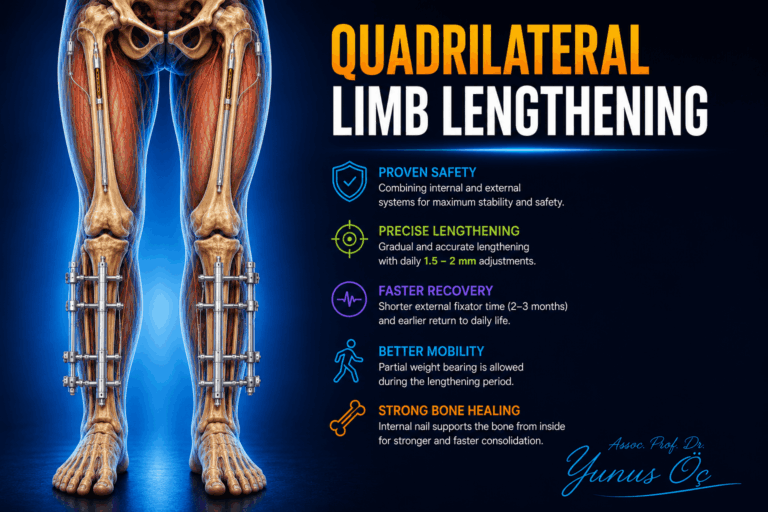
One of the questions my patients ask most frequently about limb lengthening surgery is: “Doctor,…
Read More Quadrilateral Limb Lengthening Surgery (Four-Bone Lengthening): A Comprehensive Guide from a Surgeon’s Perspective
Limb lengthening surgery is a major orthopedic procedure chosen for both aesthetic purposes (height dissatisfaction)…
Read More Limb Lengthening Surgery Side Effects, Risks and Complications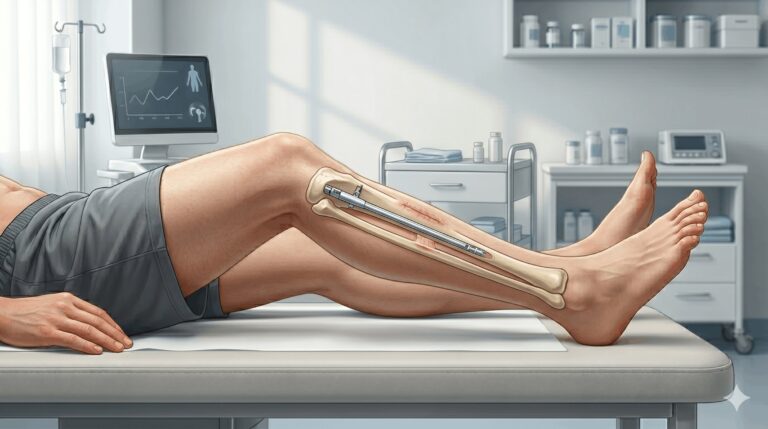
Height is a characteristic influenced by genetic structure, nutritional habits during the growth period, hormonal…
Read More What Is Limb Lengthening Surgery and How Is It Performed?