


Height is a characteristic influenced by genetic structure, nutritional habits during the growth period, hormonal balance, and environmental factors together. However, even if all conditions are suitable, some individuals may not reach their desired height in adulthood. Since natural height increase is not possible after the growth plates close, modern orthopedic limb lengthening surgery is a surgical treatment option performed through controlled bone lengthening techniques, advanced implant systems, and a regular rehabilitation process.
Limb lengthening surgery is applied not only for aesthetic purposes but also in the treatment of congenital or acquired leg length discrepancies, post-traumatic bone shortening, achondroplasia, and certain orthopedic deformities. So, what is limb lengthening surgery, which methods are used, who is it suitable for, how does the recovery process progress, and what factors affect the operation costs? In this comprehensive guide, we clearly discuss the main topics that are frequently wondered about, from surgical methods to the recovery process, and from preoperative evaluations to the rehabilitation stage.
As Wanna Be Taller, we offer our patients a transparent and well-planned process with the responsibility of being one of the experienced centers providing limb lengthening services in Türkiye. At our center, the LON, Fitbone, and Precice methods are applied, and the treatment process is individually planned under the supervision of experienced orthopedic and traumatology specialists.
What Is Limb Lengthening Surgery?
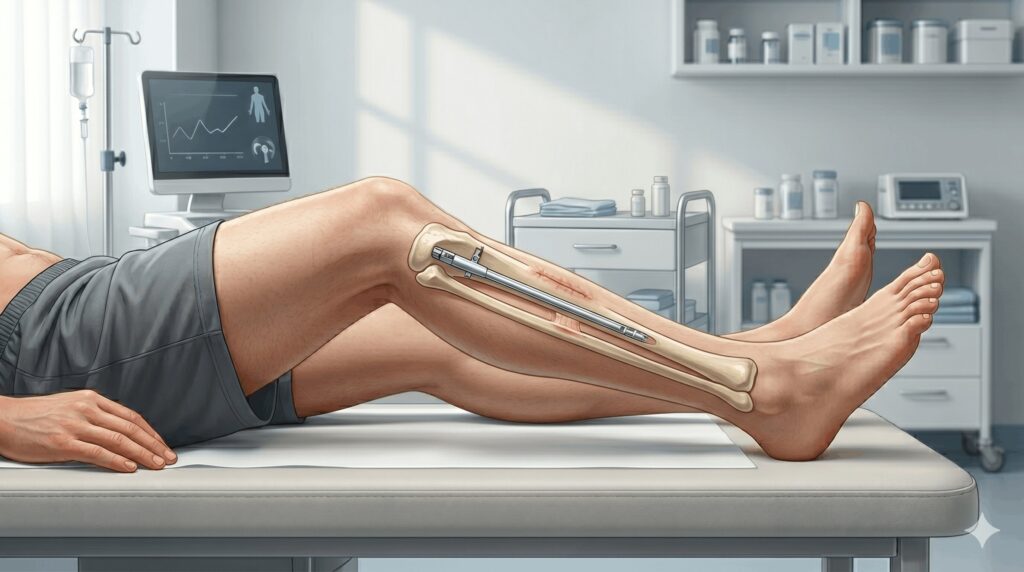
Limb lengthening surgery is an advanced orthopedic surgical procedure that allows controlled lengthening of the leg bones by utilizing the body’s natural bone healing capacity. During the operation, the orthopedic specialist performs a controlled bone cut on the planned area of the femur (thigh bone) or tibia (shin bone). This procedure is medically called an osteotomy.
After the surgery, the body naturally begins to form new bone tissue between the separated bone ends. The intramedullary lengthening nails or external fixator systems used during treatment allow the bone to be lengthened in a controlled and gradual manner. The daily lengthening amount is generally around 1 mm; however, this amount may vary depending on the patient’s condition, the bone being lengthened, and the doctor’s treatment plan.
For the limb lengthening process to progress successfully, regular doctor check-ups, a physical therapy program carried out with expert physiotherapists, and the patient’s compliance with the treatment process are of great importance. This is because the lengthening process affects not only the bones but also requires adaptation of the muscles, tendons, nerves, and other soft tissues.
History and Development of Limb Lengthening Surgery
The foundations of limb lengthening surgery were established in the mid-20th century through the methods developed by Soviet orthopedic specialist Dr. Gavriil Ilizarov. Ilizarov observed that when a bone is gradually separated in a controlled manner, the body continues to produce new bone tissue, and he introduced this biological process into modern orthopedics. Today, this principle is known as distraction osteogenesis.
In the early years, limb lengthening procedures were performed entirely using externally applied fixator systems, but significant advancements in medical technology were achieved over time. Later-developed intramedullary (internal bone) lengthening systems contributed to a more comfortable treatment process for patients. Especially with motorized or magnetic systems such as Fitbone and Precice, the lengthening process can now be carried out externally in a controlled and precise manner.
The LON (Lengthening Over Nail) method, developed in later years, aimed to reduce the duration of external device use by combining an external fixator with an intramedullary nail. Thanks to the new-generation systems used today, limb lengthening surgeries have become far more advanced in terms of both safety and patient comfort compared to the past.
Today, limb lengthening surgeries are performed not only for the treatment of congenital or trauma-related orthopedic conditions but also for healthy individuals with aesthetic expectations. As Wanna Be Taller, we use the LON, Fitbone, and Precice methods in our center and manage the treatment process with personalized planning and modern orthopedic approaches.
How Is Limb Lengthening Surgery Performed? Step-by-Step Treatment Process
Limb lengthening surgery is a comprehensive treatment process consisting of preoperative evaluation, surgical procedure, lengthening phase, bone healing period, and rehabilitation stages. Each stage of the process requires careful planning and regular follow-up.
1. Preoperative Evaluation and Planning
The treatment process usually begins with online preliminary consultations. The patient’s general health condition, chronic diseases, regularly used medications, previous surgeries, and expectations from the operation are evaluated in detail.
After the patient arrives at the center, comprehensive orthopedic and medical evaluations are performed. During this process, blood tests, coagulation tests, ECG, chest X-rays, and imaging including leg length analyses are generally conducted. Additional examinations may also be requested depending on the patient’s age, medical history, and the doctor’s evaluation.
The orthopedic specialist evaluates the femur and tibia lengths, body proportions, joint range of motion, and muscle structure to decide which area will be lengthened. Femur lengthening may provide a more comfortable process for some patients, while tibia lengthening may be preferred for patients who wish to increase the lower leg proportion. The method to be applied and the target lengthening amount are planned entirely according to the patient’s anatomical structure.
2. Surgical Procedure (Operation Day)
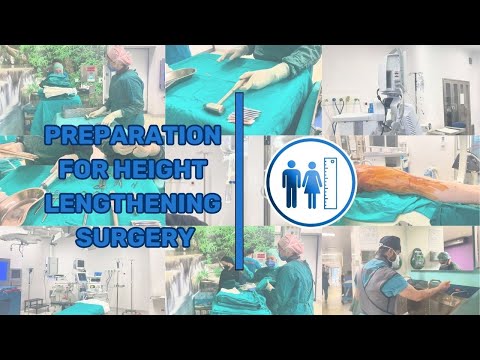
On the day of the operation, the patient is taken to the operating room after the necessary preparations are completed. Limb lengthening surgeries are generally performed under general anesthesia. In some patients, additional nerve blocks may also be applied to support postoperative pain control.
- Step 1: The surgical area is prepared in a sterile manner, and small surgical incisions are made.
- Step 2: The intramedullary canal is prepared according to the implant system to be used.
- Step 3: The surgeon performs a controlled bone cut (osteotomy) under imaging guidance.
- Step 4: The selected lengthening system (Precice, Fitbone, or LON) is placed and fixed to the bone.
- Step 5: If the LON method is applied, an external fixator system is also used.
- Step 6: During the operation, manual lengthening is performed to check whether the system is functioning properly.
- Step 7: After the operation is completed, the surgical area is closed and sterile dressing is applied.
The duration of the surgery varies depending on the method used, the bone to be lengthened, and the surgical plan, but it generally lasts between 2.5 and 4 hours.
3. Waiting Period Before Lengthening
Bone lengthening does not begin immediately after surgery. First, there is usually a waiting period of 4-5 days. This period is important for activating the body’s natural healing mechanism in the area where the bone was cut and for initiating new bone formation.
During this period, pain control, edema monitoring, and the overall healing process are regularly evaluated. Patients are gradually assisted to stand up in a controlled manner, and basic movement exercises are initiated. Although the duration of hospital stay may vary depending on the applied method and the patient’s general condition, it is generally around 3-4 days.
4. Lengthening Process
After the waiting period, the controlled lengthening process begins if approved by the doctor. The daily lengthening amount is generally planned as approximately 1 mm, and this amount is divided throughout the day. (0.25 mm every 6 hours) This approach aims to allow the bone and soft tissues to adapt to the new length in a more controlled manner.
- Fitbone: The lengthening process is performed through a motorized intramedullary nail system controlled externally via a special device.
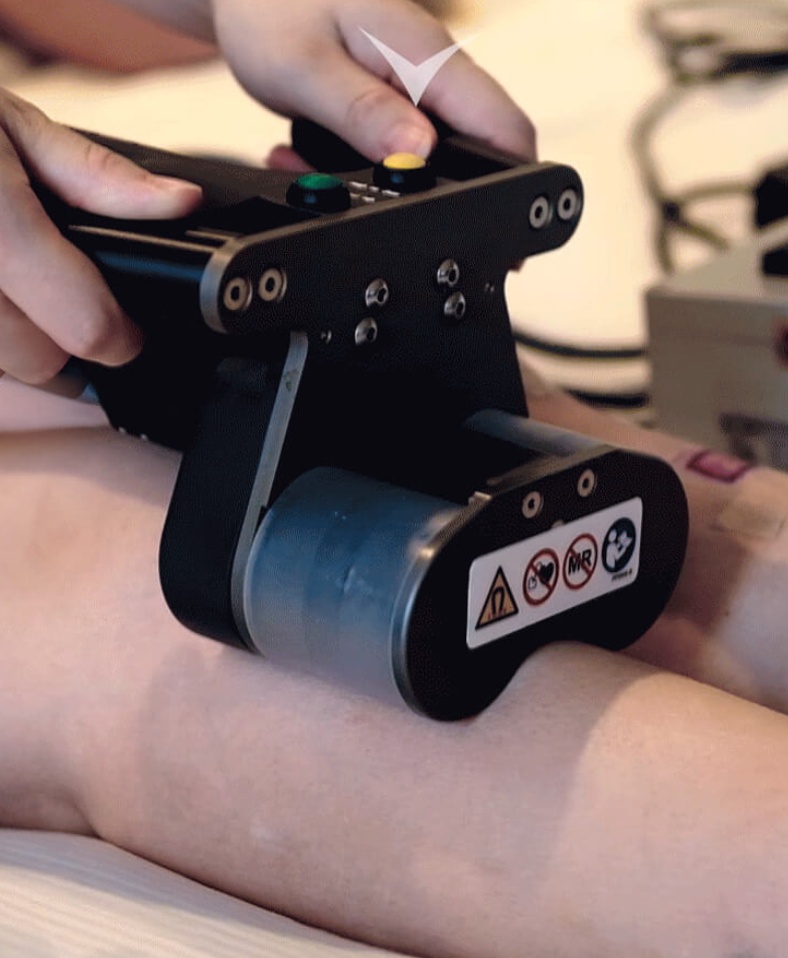
- Precice: Thanks to the magnetically controlled intramedullary nail system, the lengthening process is carried out precisely with a special external control device.
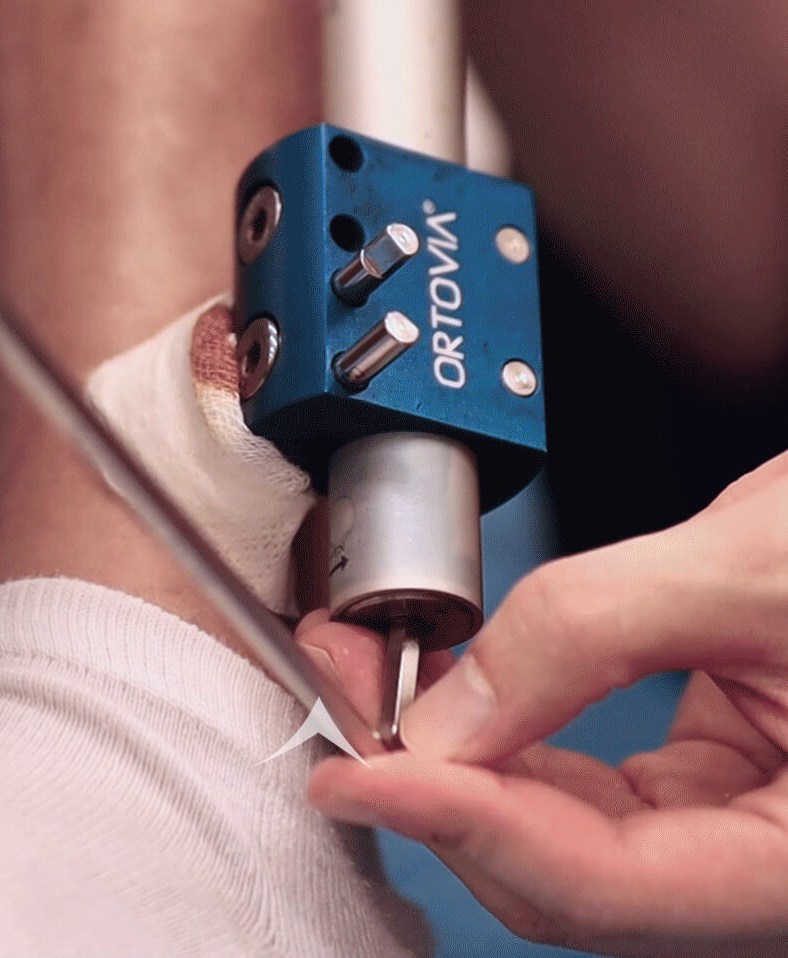
- LON: An intramedullary nail and an external fixator are used together. The lengthening process is performed through the external fixator using screws.
The duration of this period varies depending on the targeted amount of lengthening. For example, in a patient aiming for 7 cm of lengthening, the distraction phase may last approximately 70 days. However, the speed of lengthening may be adjusted by the doctor according to the quality of the newly formed bone tissue observed in X-ray controls and the patient’s soft tissue adaptation.
5. Bone Healing and Consolidation Period
After the lengthening process is completed, the newly formed bone tissue is expected to strengthen and harden. This period is medically called the consolidation period. To explain it more clearly for patients, this stage is the process during which the lengthened bone heals and becomes stronger.
The bone healing period may vary depending on the amount of lengthening, the method used, the patient’s age, bone quality, nutritional habits, and compliance with physical therapy. The development of the new bone tissue is closely monitored through regular X-ray examinations, and the weight-bearing process is gradually planned by the doctor. Generally, a sufficient level of new bone formation is observed approximately 5–6 months after the initial surgery. However, an additional average of 6 months may be required for the bones to heal completely and become fully strong.
In the LON method, an additional procedure is planned for the removal of the external fixator at the appropriate stage of bone healing. The internal nail is removed at a later stage after complete bone healing, according to the doctor’s recommendation.
6. Rehabilitation and Return to Daily Life
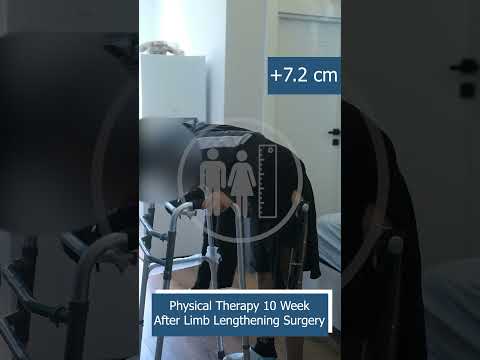
Rehabilitation is one of the most important stages of limb lengthening surgery. The physical therapy process is planned to preserve joint range of motion, prevent muscle shortening, support walking function, and ensure a safer return to daily life for the patient.
The time required to return to daily life varies from person to person. The bone healing process may differ depending on the amount of lengthening, the method used, the patient’s age, bone quality, nutritional habits, and compliance with physical therapy. Patients generally move with the support of a walker or crutches during the initial period. The development of the new bone tissue is closely monitored through regular X-ray examinations, and the weight-bearing process is gradually planned by the doctor. Generally, a sufficient level of new bone formation is observed approximately 5–6 months after the initial surgery. However, an additional average of 6 months may be required for the bones to heal completely and become fully strong. The transition to walking without support, returning to sports, and achieving full functional recovery progress gradually depending on the patient’s bone healing and adaptation to rehabilitation.
For intense physical activities and returning to sports, complete bone healing must be achieved. Although this process progresses within months for most patients, full recovery and returning to activities requiring high physical effort may generally take a longer period of time.
Advantages and Disadvantages of Limb Lengthening Surgery
As with any surgical procedure, limb lengthening surgery also has advantages and aspects that require careful consideration. Realistically evaluating both the positive aspects and the challenges of the process during the decision-making stage is of great importance for patient satisfaction.
- Permanent Height Increase When proper bone healing is achieved, the gained height increase is permanent.
- Self-Confidence and Social Life In some patients, it may have positive effects on self-confidence, social communication, and body image.
- Modern Surgical Techniques The methods used today can provide a more comfortable and controlled treatment process compared to previous years.
- Solution for Medical Problems It may be an effective treatment option for leg length discrepancy, post-traumatic bone shortening, and certain orthopedic conditions.
- Improvement of Body Proportions With planning suitable for the patient’s anatomical structure, it may contribute to a more balanced leg-to-body ratio.
- Personalized Planning The amount of lengthening and the choice of method can be planned according to the patient’s bone structure, lifestyle, and expectations.
- Applicable to Both Female and Male Patients It can be performed on both female and male patients who are suitable candidates.
- Long Treatment Process Limb lengthening surgery requires a long process due to postoperative rehabilitation and bone healing.
- Pain and Muscle Tension Especially during the lengthening phase, muscle tension, limited movement, and pain may occur.
- Need for Regular Physical Therapy Regular participation in the physical therapy process is of great importance for successful results.
- Risk of Complications As with any surgical procedure, complications such as infection, delayed bone healing, nerve tension, or implant-related problems may develop.
- Psychological and Physical Fatigue The long recovery process may cause loss of motivation or psychological difficulties in some patients.
- Temporary Movement Limitation The use of a walker, crutches, or other support devices may be required during the treatment process.
- Return to Sports Duration Complete bone healing must be achieved before returning to intensive sports activities.
Limb lengthening surgery is an advanced orthopedic procedure that can provide successful results with proper patient selection and correct planning. Having realistic expectations about the process, undergoing a detailed evaluation with an experienced orthopedic specialist, and receiving psychological support when necessary may contribute positively to the treatment process.
Limb Lengthening Methods We Apply at Wanna Be Taller
At our center, modern limb lengthening methods widely used around the world are applied. The method used is planned individually according to the patient’s bone structure, targeted lengthening amount, daily life expectations, comfort level, and budget.
LON, Fitbone, and Precice methods are among the most commonly preferred systems today, and each method has its own unique advantages and points that require attention.
LON Method (Lengthening Over Nail)
The LON method is a combined limb lengthening technique in which an intramedullary nail and an external fixator are used together. This method is widely preferred worldwide because it is more accessible in terms of cost and provides controlled lengthening.
While the lengthening process is carried out with the support of the external fixator, the nail inside the bone continues to support the bone. After a certain stage of healing, the external fixator is removed, and the process continues with the support of the internal nail.
- It is one of the more accessible methods in terms of cost.
- Weight-bearing capacity may be more advantageous for some patients.
- It is one of the methods with extensive clinical experience and has been used worldwide for many years.
- It may be one of the suitable options for high lengthening amounts.
- The external fixator can be removed after a certain period.
- The use of an external fixator requires additional attention in daily life.
- Pin-site care should be performed regularly.
- Temporary difficulties may occur during bathing, sleeping, and dressing.
- Due to the external fixator, it may be aesthetically more challenging for some patients.
- Implant removal surgery may be required in the future.
Fitbone Method (Fully Internal, Motorized System)
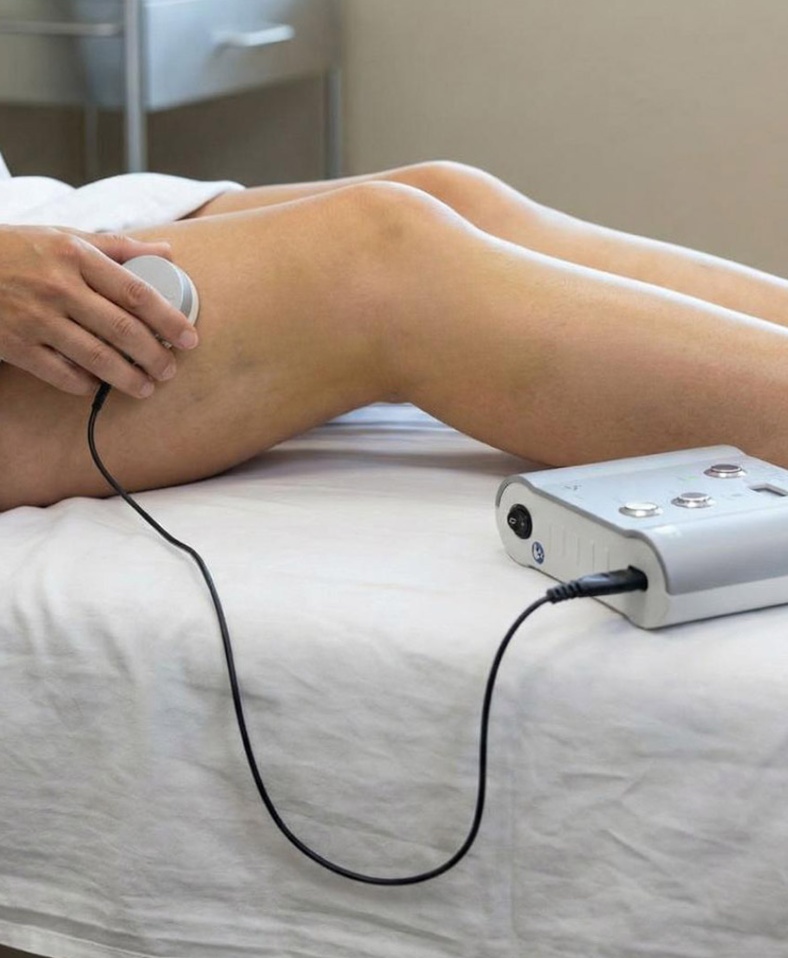
Fitbone is one of the motorized intramedullary lengthening systems placed entirely inside the bone. The system works through a lengthening nail inserted into the bone and a receiver mechanism positioned under the skin. The nail is gradually lengthened with an external control unit.
Since no external fixator is used, there is no visible device outside the body. For this reason, the Fitbone method can be considered one of the advantageous options in terms of aesthetic appearance, hygiene, and daily life comfort.
- Since there is no external fixator, there is no risk of pin-site infection.
- No visible external device is carried; it is advantageous from an aesthetic perspective.
- It may provide a more comfortable process in terms of daily life, clothing, sleep, and personal care.
- Thanks to the motor-controlled system, the lengthening process can be planned precisely.
- It may offer a more comfortable movement and rehabilitation process in suitable patients.
- As a fully internal system, it is one of the strong options in terms of patient comfort.
- Due to the cost of the device and technology, it is more expensive than the LON method.
- Because it is a motorized system, there may be a rare risk of technical issues.
- It requires an experienced surgical team and suitable technical infrastructure.
- The target lengthening amount is determined according to the patient’s bone structure, soft tissue condition, and the doctor’s planning.
- Implant removal surgery may be required in the future.
Precice Method (Magnetic Intramedullary Nail)
Precice is a magnetic intramedullary lengthening system that is completely placed inside the bone and operates with a special external control device. The system is based on activating the magnetic mechanism inside the nail through the external control device.
Since it does not require an external fixator, there is no visible device outside the body. Therefore, it is one of the modern methods frequently preferred by patients who have aesthetic concerns and desire a more comfortable treatment process.
- Since there is no external fixator, there is no risk of pin-site infection.
- No visible external device is carried; it is advantageous from an aesthetic perspective.
- The lengthening process can be performed precisely with an external control device.
- It may generally provide a more comfortable recovery process.
- Surgical incisions may be smaller and may offer advantages in terms of daily life comfort.
- It is more expensive compared to the LON method.
- Due to the magnetic mechanism, there may be a rare risk of technical problems.
- Full weight-bearing is generally not recommended during the lengthening period; the movement plan is determined under the doctor’s supervision.
- The target lengthening amount is planned according to the patient’s anatomical structure, bone quality, and soft tissue adaptation.
- The implant may need to be removed in the future.
Which Method Is More Suitable for You?
The right method selection in limb lengthening surgery is personalized. The patient’s bone structure, targeted lengthening amount, daily life expectations, budget, comfort preference, and general health condition should all be evaluated together.
- For patients looking for a more affordable and widely used method, the LON method may be a suitable option.
- If a fully internal system, aesthetic appearance, and daily life comfort are priorities, Fitbone may be considered.
- For patients who want a modern magnetic-controlled system that is invisible externally, Precice may be preferred.
The most accurate decision should be made after a detailed evaluation by an experienced orthopedic specialist. When choosing a method, not only the price but also the recovery process, mobility, expected comfort level, and possible risks should be evaluated together.
Who Is Suitable for Limb Lengthening Surgery?
Limb lengthening surgery may not be suitable for every individual. During the evaluation of suitable candidates, the person’s bone structure, general health condition, lifestyle, psychological readiness, and expectations regarding the operation are assessed together.
For this reason, it is of great importance to perform a detailed orthopedic examination, imaging evaluations, and necessary health checks before limb lengthening surgery.
1. Conditions in Which Limb Lengthening Surgery Can Be Performed for Medical Reasons
Leg Length Discrepancy:
Congenital or acquired differences in leg length.
Post-Traumatic Bone Shortening:
Bone loss and shortening occurring after accidents or serious injuries.
Congenital Orthopedic Problems:
Certain congenital bone development disorders and deformities.
Achondroplasia and Similar Conditions:
Certain genetic disorders that cause short stature.
Conditions Requiring Bone Reconstruction:
Bone loss occurring after certain infections or tumor surgeries.
2. Suitable Candidates for Cosmetic Limb Lengthening Surgery
Individuals with Aesthetic Concerns Due to Short Stature:
Adults who are genetically short and wish to increase their height.
Those Who Want More Balanced Body Proportions:
Individuals aiming to aesthetically improve the leg-to-body ratio.
Individuals Who Want to Increase Their Height for Personal or Social Reasons:
People considering surgery for self-confidence, social life, or personal satisfaction.
3. General Health and Age Criteria
Closed Growth Plates:
Limb lengthening surgery is generally performed on adult individuals whose bone development has been completed.
Suitable Bone Structure:
Bone quality and bone density must be sufficient for the operation.
General Health Condition:
It is important that there are no uncontrolled serious systemic diseases.
Smoking:
Since smoking may negatively affect bone healing, it is recommended to quit before the operation.
Body Mass Index:
Excessively high weight may complicate the operation and rehabilitation process.
Psychological Readiness:
It is important to have the psychological readiness to adapt to the long treatment and rehabilitation process.
Eligibility evaluation for limb lengthening surgery is carried out individually for each patient. The final decision is determined after the orthopedic specialist’s examination, imaging results, and overall health assessment.
Risks and Possible Complications
Limb lengthening surgery is considered among advanced orthopedic procedures and, like any surgical operation, carries certain risks. However, most of these risks can be managed through proper patient selection, an experienced surgical team, regular medical follow-ups, and adherence to the physical therapy process.
The risk of complications may vary depending on many factors such as the patient’s general health condition, smoking habits, bone structure, the method used, and compliance with the rehabilitation process.
Risk of Infection
Especially in methods using external fixators, there may be a risk of infection developing around the pin entry sites. In addition, as with any surgical procedure, the possibility of infection in the surgical area is never completely zero.
- Risk Factors: Poor hygiene, irregular wound dressing, smoking, and health problems affecting the immune system.
- Preventive Measures: Regular wound dressing, compliance with hygiene rules, and not missing doctor check-ups.
- Treatment: Depending on the severity of the infection, antibiotic treatment or additional surgical intervention may be required.
Delayed Bone Healing
In some patients, the hardening of newly formed bone tissue may take longer than expected. This condition may be more common especially in individuals who smoke, have irregular nutrition, or metabolic health problems.
- Risk Factors: Smoking, vitamin D deficiency, uncontrolled diabetes, and malnutrition.
- Preventive Measures: Healthy nutrition, following doctor recommendations, and regular follow-up.
- Treatment: In some cases, additional supportive treatments or revision procedures may be necessary.
Muscle and Soft Tissue Tightness
During the limb lengthening process, not only the bone but also the muscles, tendons, and nerve tissues try to adapt to the new length. Therefore, some patients may experience muscle tightness, limited mobility, or joint stiffness.
- Symptoms: Muscle stiffness, feeling of tension, decreased joint mobility.
- Preventive Measures: Regular physical therapy and stretching exercises.
- Treatment: Intensifying the physical therapy program and additional supportive applications under doctor supervision.
Nerve Tension and Sensory Problems
During the lengthening process, tension may occur in the nerve tissues. Some patients may experience temporary numbness, tingling, or sensitivity changes.
- Symptoms: Numbness, tingling, sensory changes, or muscle weakness.
- Preventive Measures: Controlled progression of the lengthening rate and regular examinations.
- Treatment: Revising the lengthening plan, physical therapy, or additional interventions when necessary.
Psychological Difficulties
Since limb lengthening surgery requires a long treatment and rehabilitation process, some patients may experience psychological fatigue, loss of motivation, or feelings of social isolation.
- Possible Situations: Low motivation, stress, anxiety, or emotional difficulties.
- Support: Regular communication with doctors, family support, professional psychological support, and patient communities.
Device-Related Technical Problems
In rare cases, mechanical or technical problems may occur in the implant systems used. Although the risk is low, it exists in all intramedullary systems.
- Possible Problems: Mechanical failure, implant loosening, or failure of the planned lengthening mechanism.
- Approach: Regular follow-up and additional intervention or revision procedures when necessary.
Risk of Deep Vein Thrombosis (DVT)
Prolonged immobility may increase the risk of deep vein thrombosis in some patients. Therefore, early mobilization after surgery and preventive treatments recommended by the doctor are important.
- Preventive Measures: Early mobilization, regular exercise, adequate fluid intake, and blood-thinning treatments when necessary.
- Symptoms Requiring Attention: Urgent medical evaluation is necessary in cases such as calf pain, swelling, or sudden shortness of breath.
The most important factors in reducing the risk of complications are; choosing an experienced surgical team, regular doctor check-ups, adherence to physical therapy, healthy nutrition, avoiding smoking, and maintaining strong patient-doctor communication.
Postoperative Recovery Process
The recovery process after limb lengthening surgery consists of the early postoperative period, the lengthening phase, the bone consolidation period, and rehabilitation stages. This process is not only physical but also a long-term treatment period requiring psychological adaptation and regular follow-up.
The recovery period may vary from person to person depending on the method used, the targeted lengthening amount, the patient’s bone structure, age, overall health condition, and compliance with physical therapy.
First Days After Surgery
Hospital Process:
Patients are generally monitored in the hospital for 3-4 days.
Pain Management:
Postoperative pain management is planned under doctor supervision. Morphine and painkillers are used to help the patient tolerate the initial period.
Early Mobilization:
Controlled movements begin from the first day under the guidance of the doctor and physiotherapy team. From the second day onward, the first steps are taken with the assistance of a physiotherapist.
Beginning of Physical Therapy:
From the first days, basic exercises and activities aimed at preserving joint range of motion may be applied.
Nutrition and Support:
A balanced diet rich in protein, calcium, and vitamins is important to support bone healing. A dietitian prepares an appropriate diet/nutrition program according to the patient’s physical structure and blood test results.
Lengthening Process
After the waiting period, the controlled lengthening phase begins. The lengthening amount is generally planned to be approximately 1 mm per day; however, this rate may be adjusted according to the doctor’s evaluation.
Regular Check-ups:
Bone formation and the lengthening process are monitored through regular X-ray examinations.
Physical Therapy:
Regular physical therapy is very important for maintaining muscle flexibility and supporting joint range of motion.
Mobility:
Controlled movement can be achieved with walkers, crutches, or supportive equipment.
Daily Life:
The patient’s daily activities are planned according to the method used and the doctor’s recommendations.
Bone Healing and Strengthening Period
After the targeted lengthening is completed, the newly formed bone tissue is expected to strengthen and harden. This process may be referred to as the bone consolidation period for patients.
Bone Healing:
The hardening process of the newly formed bone tissue is regularly monitored.
Weight-Bearing Process:
The transition from assisted walking to independent walking is gradually planned under doctor supervision.
Implant Follow-up:
Depending on the method used, external fixators or implant systems may be removed at certain stages.
Return to Daily Activities:
As recovery progresses, patients can return more comfortably to daily life activities.
Long-Term Rehabilitation and Return to Sports
The complete recovery process may vary from patient to patient. While light physical activities may begin earlier in some patients, full bone healing is required before engaging in intensive sports activities.
Light Exercises:
With doctor approval, walking, swimming, or low-impact exercises may be started.
Muscle Strengthening:
Long-term physical therapy and muscle strengthening exercises may be recommended.
Return to Sports:
Running, football, basketball, and high-impact sports may begin 1 year after surgery with doctor approval.
Scar Care:
To minimize the appearance of surgical scars, dissolvable aesthetic sutures are used during surgery and incisions are kept as minimal as possible. After the process is completed, it may be possible to achieve a lighter pink appearance with scar cream.
For a successful recovery process, regular doctor check-ups, adherence to physical therapy, balanced nutrition, and a patient rehabilitation process are of great importance.

Recommendations for a Successful Recovery Process
- Compliance with the Doctor and Physical Therapy Program: Not missing regular check-ups and continuing the physical therapy process in a disciplined manner are of great importance for recovery.
- Balanced Nutrition: A balanced diet rich in protein, calcium, vitamin D, and minerals may support bone healing.
- Smoking and Alcohol Consumption: Smoking and excessive alcohol consumption are recommended to be avoided as they may negatively affect bone healing.
- Adequate Fluid Intake: Regular water consumption is important for overall health and the recovery process.
- Regular Sleep: Quality sleep is one of the important factors supporting the body’s healing mechanisms.
- Psychological Support: Receiving professional psychological support when necessary during the long rehabilitation process may be beneficial.
Limb Lengthening Surgery Prices and Costs
Limb lengthening surgery is a comprehensive treatment that requires advanced orthopedic surgery and a long rehabilitation process. The cost of the operation may vary depending on the method used, hospital infrastructure, surgical team experience, accommodation duration, and additional services.
Türkiye is among the leading countries worldwide in the field of limb lengthening surgery. Thanks to its modern hospital infrastructure, experienced orthopedic teams, and international patient experience, it is preferred by many patients.
Main Factors Affecting Prices
Method Used:
The costs of LON, Fitbone, and Precice methods differ from each other.
Surgical Team and Hospital:
Hospital infrastructure, implant systems used, and the experience of the surgical team may affect prices.
Accommodation and Physical Therapy:
Accommodation duration, physical therapy program, and support services may change the total cost.
Lengthening Amount and Treatment Plan:
The targeted lengthening amount and the treatment process required by the patient may vary from person to person.
International Patient Services:
Transfer, interpretation, companion support, and follow-up services may vary depending on the package content.
Limb lengthening surgery prices may vary significantly from country to country. While costs can reach much higher levels in Europe and America, Turkey may offer more accessible options for international patients.
Our Current Prices by Method
Services Included in the Surgery Fee
Wanna Be Taller as we aim to provide comprehensive support to our patients throughout the entire operation process. The treatment plan is organized individually according to the selected method, accommodation duration, and the patient’s needs.
Although package contents may vary depending on the patient’s preferred method and treatment plan, they may include the following services:
- Airport pickup for our patients
- VIP transfer service throughout the entire journey
- Interpreter service in the patient’s native language
- Accommodation in a 4-star hotel for 2 days before the operation
- Complimentary Istanbul tour including historical and touristic visits, boat tour, and meals at famous restaurants
- Pre-operative medical tests and examinations
- Use of specially designed anatomical nails during surgery (This method helps bone healing progress faster and allows more comfortable movement during recovery.)
- 4-day hospital stay
- Physiotherapist support and related medications during hospitalization
- Walker, crutches, and wheelchair
- Limb Lengthening Patient Kit including a 40-page patient guide
- FREE consultation service with doctors and consultants whenever the patient needs
- All hospital expenses related to the operating room and recovery room
- Hospital, surgeon, anesthesiologist, and surgical assistant fees
Note: It is recommended to receive direct consultation for package scope and current pricing details. The treatment plan is customized individually for each patient.
Accommodation fees are not included in the surgery prices mentioned above. You can review the details of hotel and apartment options below.
Post-Operative Care and Accommodation
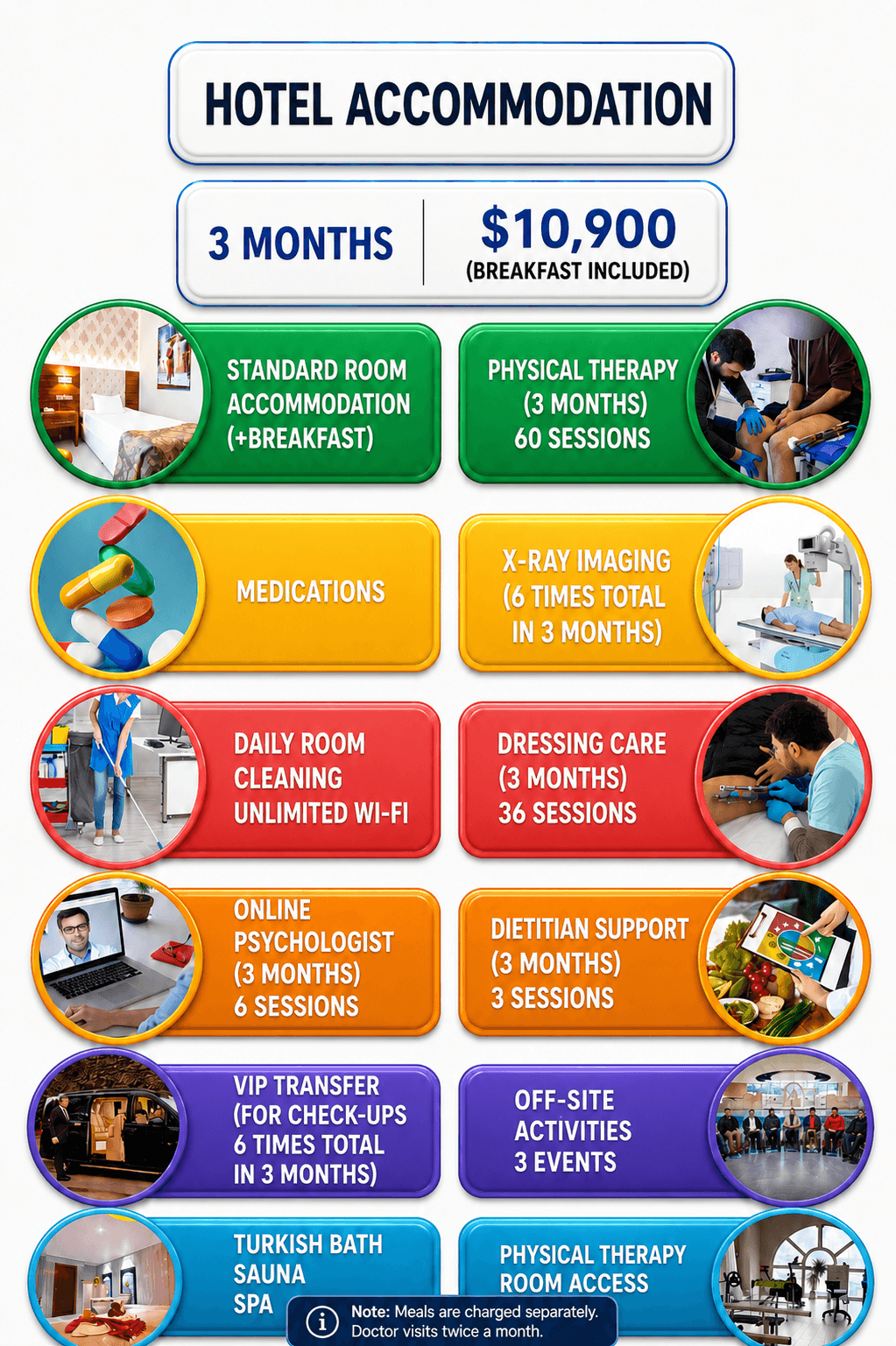
1. Hotel Accommodation
During the post-operative period, it is important for patients to stay in a comfortable, clean, and easily accessible environment. Hotel accommodation may provide advantages in terms of organizing regular follow-ups, physiotherapy appointments, and daily needs more comfortably.
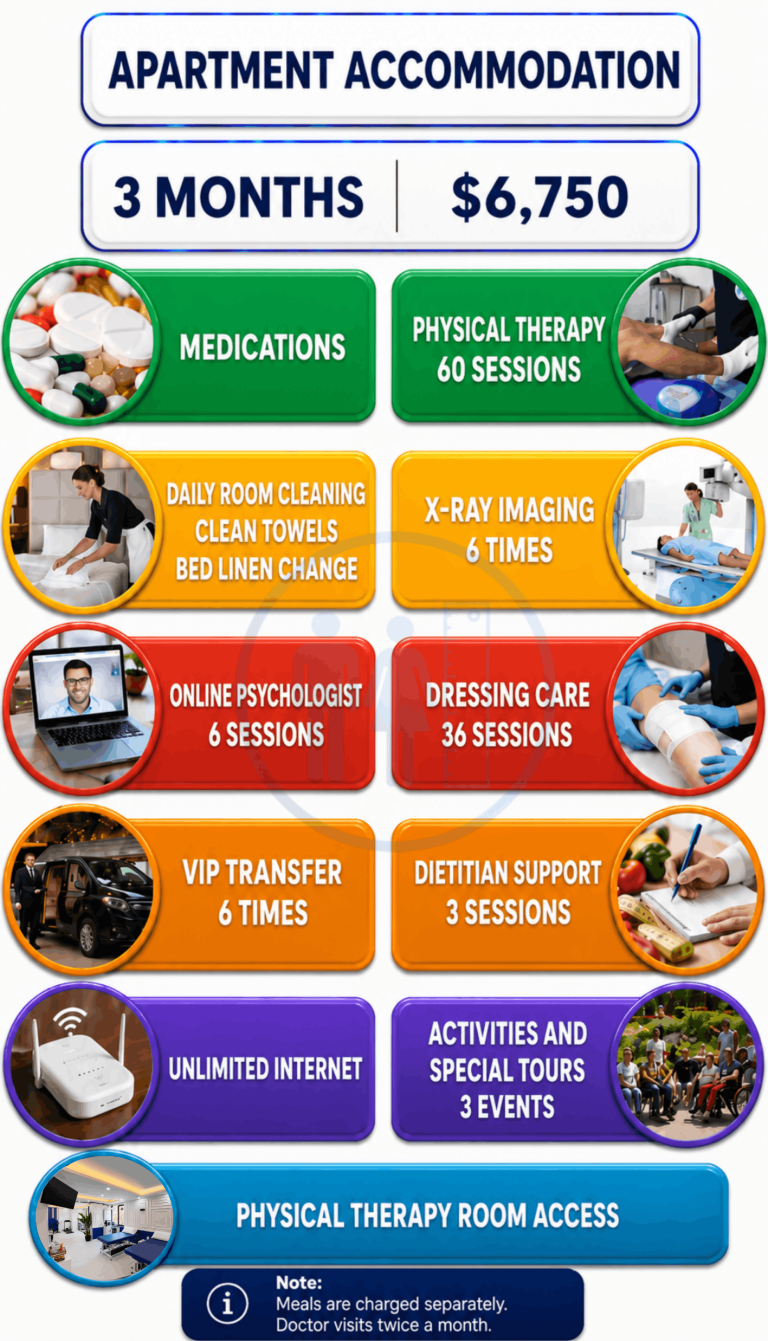
2. Apartment Accommodation
Apartment accommodation may also be preferred for patients who want a more private area and home comfort. Facilities such as a spacious living area, kitchen, washing machine, internet, and private bathroom offer practical convenience for patients during the long recovery process.
Frequently Asked Questions
1 What is limb lengthening surgery?
Limb lengthening surgery is an orthopedic surgical procedure that enables controlled lengthening of the leg bones. During the operation, a planned bone cut is made to the femur or tibia, and the bone is gradually lengthened using the selected lengthening system.
2 How is limb lengthening surgery performed?
In limb lengthening surgery, a controlled bone cut is first made to the femur or tibia. Then, lengthening systems such as LON, Precice, or Fitbone are placed into the bone. After the operation, the bone is gradually lengthened daily, and new bone formation is monitored with regular X-ray controls.
3 Who is suitable for limb lengthening surgery?
It can generally be evaluated for adult individuals whose growth plates have closed and whose general health condition is suitable. Suitability is determined according to bone structure, body proportions, medical history, psychological readiness, and doctor evaluation.
4 How many centimeters of height increase can be achieved with limb lengthening surgery?
The amount of height increase achievable with limb lengthening surgery varies from person to person. Generally, an increase of 5 to 10 cm can be targeted in a single bone segment. In femur lengthening, approximately 6 to 10 cm may be planned for most patients, while in tibia lengthening, approximately 5 to 7 cm may be planned. For higher height goals, two-stage treatment may be considered for some patients. However, the safe lengthening amount should be determined according to the patient’s bone structure, muscle flexibility, nerve tissue compatibility, joint mobility, and doctor evaluation.
5 What is the maximum height increase possible?
Targeting very high lengthening in a single session may not be safe for every patient. In general, a height increase of 5 to 10 cm during one operation period is considered more realistic. For patients who desire greater height gain, two-stage treatment options involving femur and tibia lengthening in different periods may be evaluated. The final goal should be determined not only according to the number of centimeters but also by preserving safe recovery and functional walking ability.
6 Which bone is lengthened?
In limb lengthening surgery, the femur (thigh bone) or the tibia (shin bone) can be lengthened. Which bone will be lengthened is determined according to the patient’s body proportions, targeted height increase, and doctor evaluation.
7 Which methods are used in limb lengthening surgery?
Today, different methods such as LON, Fitbone, and Precice are used. In the LON method, an intramedullary nail and an external fixator are used together, while Fitbone and Precice methods are applied with fully internal intramedullary systems placed inside the bone.
8 What is the LON method?
The LON method is a combined limb lengthening technique in which an intramedullary nail and an external fixator are used together. The external fixator is used during the lengthening process and removed at the appropriate stage.
9 What is the Precice method?
The Precice method is a modern limb lengthening technique performed with a magnetically controlled intramedullary nail system placed inside the bone. There is no externally visible device, and the lengthening process is performed with a special control device.
10 What is the Fitbone method?
Fitbone is one of the motorized intramedullary lengthening systems. The fully internal system provides gradual lengthening through an external control unit.
11 How long does limb lengthening surgery take?
The duration of the operation varies depending on the method used, the bone to be lengthened, and the surgical plan. Bilateral femur or tibia lengthening surgeries may generally take several hours. The duration may vary according to the selected method, the patient’s anatomical structure, and whether additional surgical procedures are required.
12 How many days is the hospital stay after surgery?
The length of hospital stay may vary depending on the patient’s general condition and the applied method. In most patients, approximately 4 to 5 days of hospital monitoring are planned. During this process, pain management, wound care, early mobilization, initiation of physiotherapy, and general health checks are carried out.
13 When does the lengthening process begin?
After surgery, a waiting period of approximately 5 to 7 days is generally applied to allow bone healing to begin. Afterwards, the controlled lengthening process is started if approved by the doctor.
14 What is the daily lengthening amount?
The daily lengthening amount is generally planned as approximately 1 mm. This amount is often divided into multiple sessions throughout the day. However, the lengthening rate may be reduced or adjusted according to the patient’s bone formation, pain level, muscle tension, nerve tissue adaptation, and doctor evaluations.
15 Is limb lengthening surgery painful?
It is normal to experience pain after limb lengthening surgery. In the first days, surgery-related pain may be more noticeable and is managed with medications under doctor supervision. During the lengthening period, muscle tension, joint stiffness, and stretching sensations are more commonly experienced. Pain levels vary from person to person. Regular physiotherapy, proper pain management, and following the lengthening rate determined by the doctor may help make the process more comfortable.
16 When can patients walk after surgery?
Patients are generally assisted to stand up within the first days after surgery with the support of physiotherapists and the medical team. In the early period, supports such as walkers or crutches are used. The amount of weight-bearing varies according to the method used. In the LON method, some patients may be able to bear more supported weight, while in fully internal systems such as Precice and Fitbone, weight-bearing may be planned in a more controlled and limited way. Transition to unsupported walking occurs gradually depending on bone healing, muscle strength, and doctor approval.
17 Is it possible to walk during the lengthening period?
Walking during the lengthening period depends on the method used and the doctor’s weight-bearing plan. Some patients may walk short distances with support. However, full weight-bearing may not be appropriate with every method. Therefore, how much the patient should walk, which assistive device should be used, and when more weight can be applied should be determined by the doctor and physiotherapist.
18 Is physiotherapy necessary?
Yes. Physiotherapy is one of the most important parts of the limb lengthening process. Regular physiotherapy is necessary to maintain muscle flexibility, support joint mobility, reduce the risk of contractures, and improve walking function.
19 How long does the total recovery process take?
The total recovery period varies depending on the amount of lengthening, the method used, the patient’s age, bone structure, nutrition, and compliance with physiotherapy. On average, hospital stay lasts 4 to 5 days, and the lengthening process may take approximately 10 days for each targeted 1 cm, meaning about 70 days for 7 cm of lengthening. The supported walking period may continue for several months in most patients. While returning to daily life more comfortably generally takes between 3 and 6 months, full bone strengthening and return to high-impact sports may take 9 to 18 months.
20 How long does 7 cm of height increase take?
When an average daily lengthening of 1 mm is planned, the lengthening phase for 7 cm may take approximately 70 days. However, this duration only refers to the lengthening phase. Considering bone healing, strengthening, supported walking, and rehabilitation, the total recovery process may exceed several months. Although full recovery varies from patient to patient, it is generally a longer process.
21 When can patients return to daily life?
Returning to daily life progresses gradually. In the first weeks, the patient moves with support. Mobility may be limited during the lengthening period. Many patients begin to perform daily activities more comfortably within 3 to 6 months. However, activities such as unsupported walking, returning to work, long-distance walking, and sports require doctor approval and sufficient bone healing.
22 Is the gained height permanent?
Yes. Once the newly formed bone tissue heals and strengthens sufficiently, the gained length becomes permanent. However, in order to preserve this result, it is important to follow doctor check-ups, physiotherapy, and weight-bearing rules during the recovery period.
23 Does the surgery leave scars?
As with every surgical procedure, scars may occur after limb lengthening surgery. The appearance of the scars varies depending on the method used, skin type, and healing process. In the LON method, more scars may occur due to external fixator pin entry points, while in fully internal systems such as Precice and Fitbone, scars are generally more limited. Over time, the visibility of scars may decrease.
24 What are the risks of limb lengthening surgery?
Risks of limb lengthening surgery may include infection, delayed bone healing, muscle tension, joint stiffness, nerve stretching, limited mobility, blood clot formation, and implant-related technical issues. These risks are not the same for every patient. Regular follow-up, appropriate patient selection, compliance with physiotherapy, and following doctor recommendations help reduce these risks.
25 Is limb lengthening surgery safe?
Limb lengthening surgery is an advanced orthopedic procedure that can be performed safely with proper patient selection, an experienced orthopedic team, correct method planning, regular X-ray controls, and disciplined rehabilitation. However, as with any surgical procedure, risks cannot be completely eliminated. Therefore, patients should undergo a detailed evaluation before surgery, have realistic lengthening goals, and remain under doctor supervision throughout the process.
26 Is limb lengthening surgery risky?
Limb lengthening surgery is not a simple cosmetic procedure but a serious orthopedic surgery that requires long-term follow-up and rehabilitation. Therefore, it carries risks. However, risks can be significantly controlled with an experienced surgical team, proper patient selection, an appropriate method, regular physiotherapy, and the patient’s compliance with the treatment process.
27 Can patients do sports again after surgery?
After bone healing is completed and doctor approval is obtained, returning to sports is possible. Walking, swimming, and low-impact exercises may be considered earlier, while running, football, basketball, and contact sports may require a longer waiting period. Return to intensive sports may generally be considered between 9 and 18 months in most patients.
28 Are the implants removed?
The nails or implants used in limb lengthening surgery may be removed at a later stage once bone healing is completed and if the doctor considers it appropriate. The timing of implant removal varies depending on the method used, bone healing, and the patient’s condition.
29 Why is limb lengthening surgery in Turkey preferred?
Limb lengthening surgery in Turkey is preferred due to modern hospital infrastructure, experienced orthopedic teams, medical tourism services, and the support provided to international patients. Many patients searching for limb lengthening surgery in Turkey evaluate treatment costs together with accommodation, transfers, interpretation services, and post-operative follow-up support.
30 Why are limb lengthening surgery reviews and patient experiences important?
Limb lengthening surgery reviews, patient experiences, before-and-after images, and recovery process shares may provide insight for people considering the surgery. However, every patient’s bone structure, lengthening goal, pain level, and recovery process are different. Therefore, patient reviews provide general information, while the final decision should be made based on doctor evaluation.
A Planned and Professional Treatment Process
Limb lengthening surgery is a comprehensive orthopedic process that requires proper planning, an experienced team, regular follow-up, and patient compliance. For a successful result, not only the surgical procedure itself but also physiotherapy, psychological preparation, nutrition, and long-term follow-up are of great importance.
As Wanna Be Taller, with our orthopedic surgeons, physiotherapists, nurses, patient consultants, and support team, we plan each patient’s process individually and manage the treatment journey with a professional approach.