Limb lengthening surgery has evolved considerably in recent years, providing patients with not only a solution for correcting leg length differences but also a reliable and safe option for increasing height for cosmetic purposes. Compared to traditional external fixator techniques, modern methods offer improved comfort, shorter recovery periods, and more consistent results.
Among these advanced technologies, the FITBONE system stands out as one of the most sophisticated intramedullary nail solutions. It is specifically designed to enhance patient comfort, reduce visibility, and deliver a more controlled and predictable treatment experience. This article offers a comprehensive overview of the FITBONE system, including its benefits, potential risks, and expected patient outcomes.
What is the FITBONE?
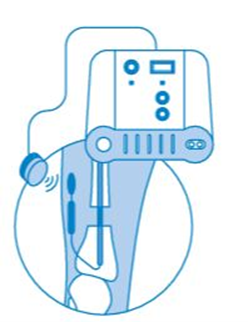
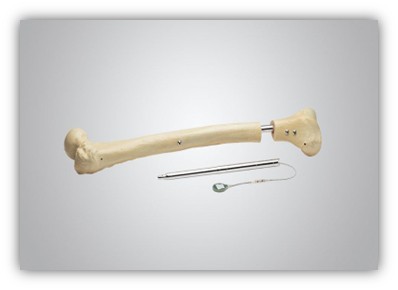
FITBONE is a fully implantable, motor-driven intramedullary nail system designed for limb lengthening procedures. Positioned inside the bone, it enables gradual and highly controlled lengthening, typically at a rate of around 1 mm per day. Unlike traditional techniques that depend on external fixators, FITBONE remains entirely internal, which helps reduce infection risk, limits visible scarring, and allows patients to carry out daily activities more comfortably.
The system was developed in collaboration with Prof. Rainer Baumgart, a leading figure in intramedullary lengthening with extensive surgical experience. Since its introduction in 1997, FITBONE has gained worldwide recognition as a reliable solution for both femoral and tibial lengthening. With the combination of detailed preoperative planning, dedicated surgical tools, and its motorized mechanism, the system not only supports bone lengthening but also enables correction of alignment and rotational deformities when required.
FITBONE can be used for both cosmetic height enhancement and the treatment of medical conditions such as limb length discrepancies resulting from trauma, congenital factors, or bone-related disorders.
Features
Technical Features
After the procedure, the bone is lengthened gradually in a controlled and safe manner:
- Motorized system: The internal nail extends the bone step by step, typically at a rate of about 1 mm per day, ensuring precise and steady progress.
- Minimally invasive approach: Since the device is placed inside the bone, it reduces visible scarring and lowers the risk of infection. This also allows patients to maintain a more active social life during recovery compared to external systems.
- Digital planning: Advanced planning tools such as OrthoNext™ software assist surgeons in preparing the procedure in detail and tracking the lengthening process accurately.
- Weight-bearing support: The system allows partial weight-bearing, helping patients begin walking earlier in the recovery phase.
What makes FITBONE unique?
FITBONE distinguishes itself from conventional limb lengthening techniques by being a completely internal system, removing the need for large external frames. This significantly lowers the risk of infection and provides a more comfortable daily experience, as there are no visible devices attached to the leg. Its motorized mechanism allows for a slow, precise, and well-controlled lengthening process, enhancing both safety and accuracy.
The system is further supported by advanced digital planning technologies, enabling surgeons to tailor each procedure according to the patient’s individual anatomy and goals. In addition to lengthening, FITBONE also allows for corrections in bone alignment when necessary, offering both functional and aesthetic benefits.
Compatible with both femur and tibia procedures, FITBONE provides a flexible solution for patients seeking treatment for leg length discrepancies as well as cosmetic height enhancement.
What are the advantages of the Fitbone Method?
Comfort & Convenience
No visible external devices on the body, minimally invasive technique with smaller scars and better muscle preservation, and a high level of comfort throughout the entire treatment process.
Safety
Reduced risk of infection and fewer complications compared to external fixator systems.
Predictable Results
Gradual and controlled lengthening supports healthier bone regeneration, and both bone transport and lengthening can be achieved within a single surgery.
Faster Recovery
Load-bearing support allows earlier rehabilitation, and the overall treatment duration is shorter compared to external fixators and monorail systems.
Effective Treatment of Bone Defects
Bone defects up to 80 mm can be treated without re-locking, and for defects over 80 mm, the “rewind and go” technique ensures a safe and controlled process.
What are the disadvantages of the Fitbone Method?
Mild joint stiffness or muscle tightness
Temporary discomfort that usually improves with regular physiotherapy and proper rehabilitation.
Technical issues with the nail
Rare situations where the device may require minor adjustment or close monitoring during the process.
Infection
Very uncommon, especially when proper wound care and regular follow-ups are maintained.
Backtracking (slight loss of length)
Extremely rare due to the precision of the modern motorized system.
Delayed bone healing
In some patients, bone consolidation may take slightly longer, but it is carefully monitored and managed throughout the recovery period.
Clinical Outcomes: Patient Experience and Results
FITBONE has been proven effective in both cosmetic and reconstructive limb lengthening through multiple clinical studies. Most patients achieve an average height increase of 5–8 cm in a single femur or tibia procedure.
The recovery process typically takes several months. With regular physiotherapy and doctor-guided movement, patients gradually regain mobility step by step.
Minimal scarring and the fully internal design of the system improve patient confidence and overall comfort throughout the recovery journey.
Recovery & Rehabilitation
The recovery and rehabilitation process after FITBONE surgery plays a key role in achieving successful outcomes. Patients usually start physiotherapy shortly after the operation to maintain joint flexibility and muscle strength, helping to prevent stiffness during the lengthening phase.
As the bone gradually lengthens, walking and daily activities are carefully increased under medical supervision. The total recovery time varies depending on the amount of lengthening, but most patients return to their normal routines within 3–6 months.
Regular follow-ups, consistent physiotherapy, and maintaining a healthy diet and lifestyle all contribute to faster bone healing and a smoother recovery process.
The Future of FITBONE
The latest FITBONE TLN (Transport and Lengthening Nail) technology combines bone lengthening and bone transport, offering an advanced solution for patients with segmental bone defects.
This next-generation system provides shorter recovery times, reduced surgical trauma, and improved patient comfort.
It represents one of the most recent innovations in limb reconstruction technology, setting a new standard for advanced orthopedic treatments.
FAQ
How many centimeters can I lengthen with Fitbone?
With the Fitbone method, patients can typically achieve around 6–7 cm of lengthening in the lower leg and approximately 8–8.5 cm in the upper leg. The exact amount depends on individual factors such as bone structure, flexibility, and healing capacity.
When can I walk after Fitbone surgery?
After Fitbone surgery, patients are usually able to start walking with assistance within the first few weeks. Since the system allows partial weight-bearing, controlled walking is encouraged during the recovery process. Independent walking without support is typically achieved around 5–6 months, depending on healing progress and physiotherapy.
Is the Fitbone method suitable for everyone?
The Fitbone method is not suitable for every patient. Factors such as bone structure, body weight, age, and overall health condition must be evaluated before deciding on the method. A detailed medical examination is required to determine whether the patient is a good candidate for this internal system.
Will there be visible scars after Fitbone surgery?
Since the Fitbone method is a minimally invasive and fully internal system, scarring is usually minimal. Small surgical incisions are required, but there are no large external scars as seen in external fixator methods. Over time, these small scars typically become less noticeable.
How long does recovery take with Fitbone?
Recovery with Fitbone typically takes several months. Most patients regain significant mobility within 3–6 months, while full bone healing and consolidation may take around 9–12 months depending on the lengthening amount and individual healing response.
Is the Fitbone method painful?
Pain after Fitbone surgery is usually manageable and decreases over time. Since the system is fully internal, patients generally experience less discomfort compared to external fixator methods. Mild to moderate tension may occur during the lengthening phase, but this is controlled with medication and physiotherapy.
What are the advantages of the Fitbone method?
The Fitbone method offers several advantages, including high comfort, no external device, minimal scarring, and a lower risk of infection. It also allows controlled and predictable lengthening, supporting a smoother and more natural recovery process.
What are the risks of the Fitbone method?
Although the Fitbone method is considered safe, some risks may still occur. These include temporary muscle stiffness, delayed bone healing, or rare technical issues with the implant. With proper follow-up and physiotherapy, most of these risks can be effectively managed.