Current Methods
Outdated Methods
LON Method
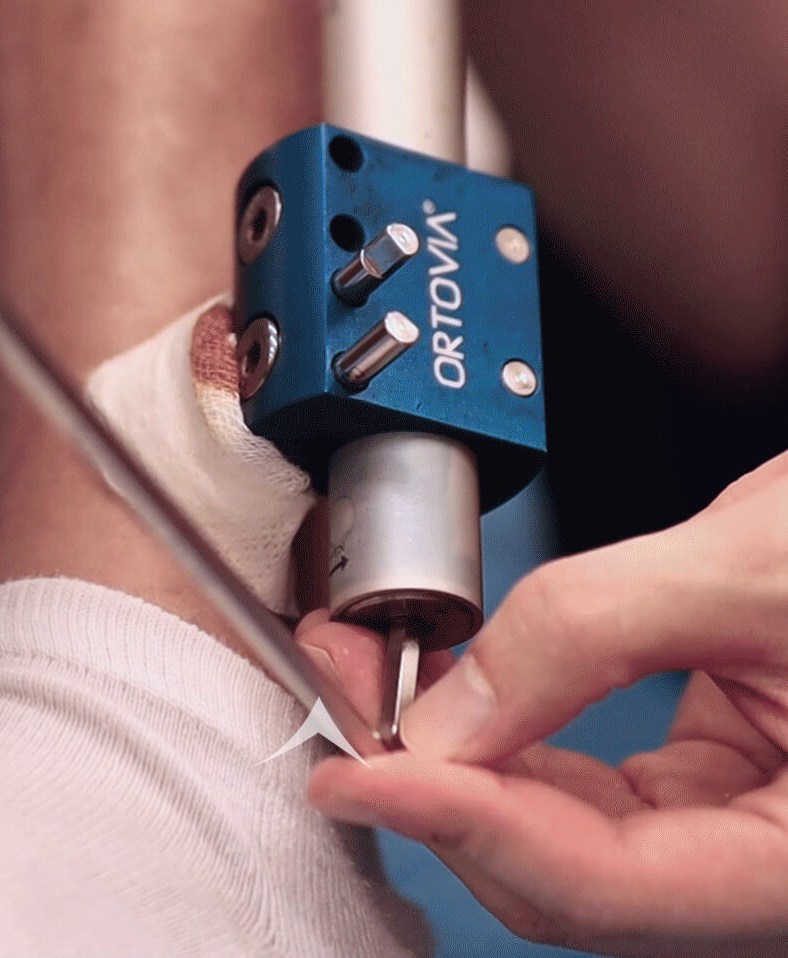
The LON method combines an internal nail with an external fixator to provide a stable and controlled lengthening process. It is a reliable and cost-effective option that allows early assisted mobility during treatment and supports faster patient adaptation.
- Combines an internal nail with an external fixator for a stable and controlled lengthening process
- Allows an average increase of 6–7 cm in the lower leg and 7–10 cm in the upper leg
- Enables early assisted walking during the lengthening phase
- External fixator is removed after the lengthening period (around 2–3 months)
- Independent walking without support typically begins after 5–6 months
- Known as a reliable and cost-effective option widely preferred by patients
Specifications
Fitbone Method
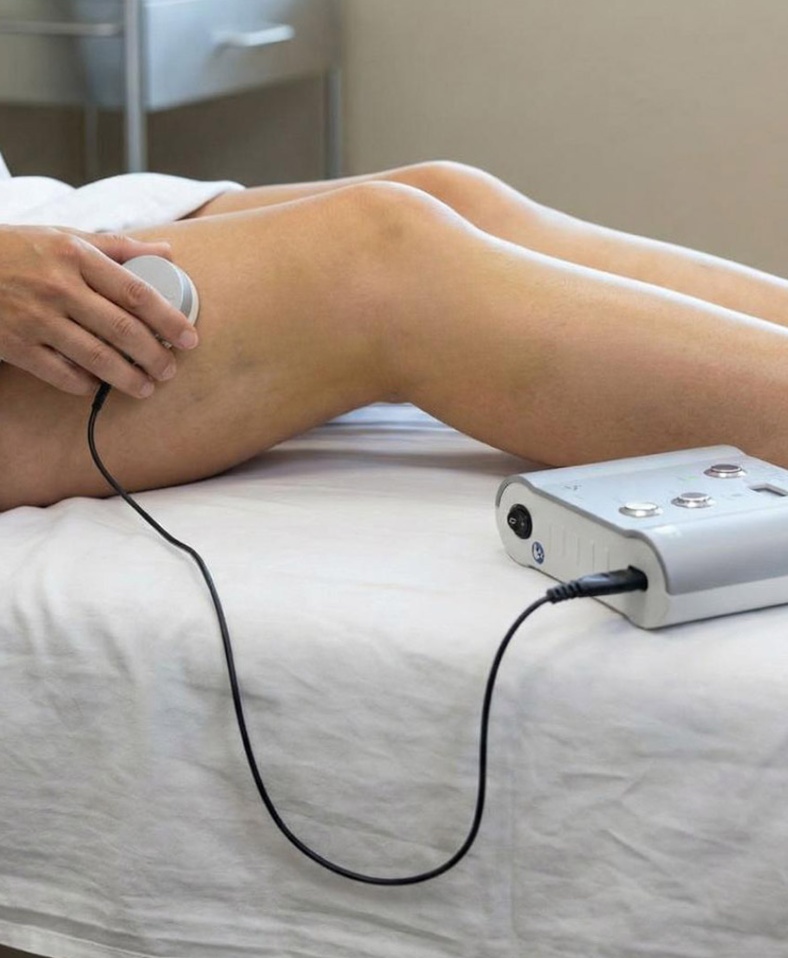
The Fitbone method is a motorized internal lengthening device that provides controlled and smooth bone distraction. It offers high comfort, provides better support during daily activities, and allows more natural movement during recovery for patients.
- Fully internal, motorized system controlled electronically for precise lengthening
- Designed to support daily activities with improved comfort during the process
- Provides approximately 6–7 cm lengthening in the lower leg and 8–8.5 cm in the upper leg
- No external device is used, offering a more aesthetic and convenient experience
- Patients usually begin walking without support after 5–6 months
- Offers a modern and comfortable solution with a high level of patient satisfaction
Specifications
Precice 2 Method
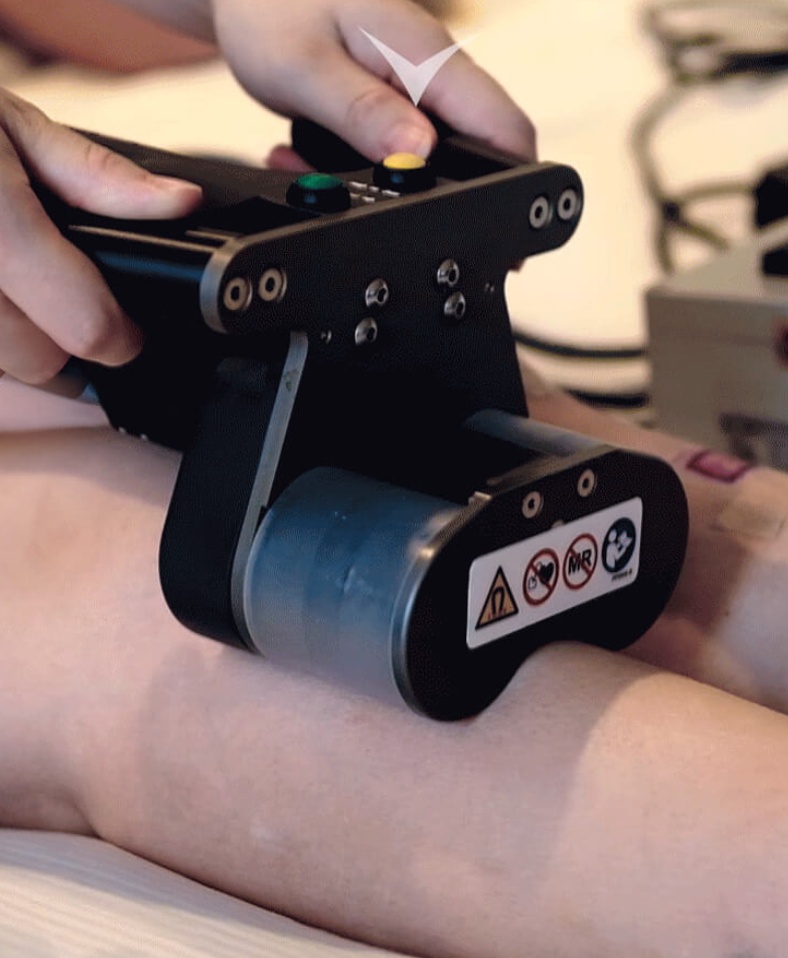
The Precice 2 method is a fully internal, magnetically controlled nail that enables precise and comfortable lengthening without external devices. It offers a more aesthetic and convenient recovery process with minimal visible scarring and improved patient comfort.
- Uses a magnetically controlled internal nail for gradual and precise bone lengthening
- Achieves around 5–7 cm in the lower leg and up to 8–8.5 cm in the upper leg
- Offers a more comfortable process without the need for external fixators
- Mobility is supported with assistive devices such as a wheelchair during lengthening
- Independent walking without support is typically possible after 5–6 months
- Provides a discreet and patient-friendly treatment experience with enhanced overall comfort
Specifications
FAQ
What are the methods used for limb-lengthening operations?
Currently, there are three modern and actively used methods for limb-lengthening operations: the LON (Lengthening Over Nail) method, the Fitbone method, and the Precice 2 method. Each of these techniques is designed to gradually lengthen the bone in a controlled and safe manner, but they differ in terms of technology, comfort, mobility, and overall patient experience.
The LON method combines an internal nail with an external fixator, making it a reliable and cost-effective option that allows early assisted walking during the lengthening phase. Fitbone is a fully internal, motorized system that offers improved comfort and better support for daily activities. Precice 2, on the other hand, uses a magnetically controlled internal nail, providing a highly precise and more aesthetic solution without the need for any external device.
All three methods are widely used today and are selected based on the patient’s medical condition, expectations, and lifestyle. The most suitable method is determined after a detailed evaluation by an experienced orthopedic surgeon, such as Yunus Öç at BHT Clinic Istanbul Tema Hospital.
What are the common features of limb-lengthening operation methods?
All modern limb-lengthening methods share the same fundamental principle: controlled and gradual bone lengthening through a biological process called distraction osteogenesis. In all techniques, the bone is carefully divided during surgery, and a specialized device is used to slowly separate the bone segments, allowing new bone tissue to form in the gap over time.
Regardless of the method used, the lengthening process typically progresses at a rate of approximately 1 mm per day. This gradual approach ensures that not only the bone, but also the surrounding muscles, nerves, and soft tissues can adapt safely to the new length. Regular follow-ups, X-rays, and a structured physiotherapy program are essential parts of every method to ensure proper healing and optimal results.
Another common feature is the multi-phase recovery process, which includes surgery, the lengthening phase, and the consolidation phase where the new bone hardens. Patient compliance, physiotherapy, and close medical monitoring play a critical role in the success of all methods, regardless of whether the system is internal or external.
What are the most important distinctions between limb-lengthening operation methods?
The main differences between limb-lengthening methods lie in the technology used, level of comfort, mobility during the process, and weight-bearing capacity. While all methods aim to achieve safe and gradual bone lengthening, the patient experience can vary significantly depending on the technique.
The LON method uses both an internal nail and an external fixator. This allows early assisted walking and provides strong mechanical support, but it involves external hardware, which may be less comfortable and requires careful pin-site care. In contrast, Fitbone and Precice 2 are fully internal systems, meaning there is no external device. This makes them more comfortable and aesthetically preferable for most patients.
Between the two internal methods, Fitbone is a motorized system that offers better weight-bearing capacity and supports more natural movement during recovery. Precice 2, on the other hand, uses a magnetically controlled nail, providing very precise lengthening but with more limited weight-bearing during the process.
In summary, LON is often preferred for its cost-effectiveness and early mobility, Fitbone for its balance of comfort and strength, and Precice 2 for its high comfort and minimally invasive design. The best choice depends on the patient’s priorities and medical suitability.
Which limb-lengthening operation method is commonly preferred by patients?
The most commonly preferred limb-lengthening method among patients is the LON (Lengthening Over Nail) method. This is mainly due to its cost-effectiveness, proven reliability, and the ability to start assisted walking early during the treatment process. For many patients, especially those considering budget and functionality together, LON offers a balanced and practical solution.
However, in recent years, there has been a noticeable increase in the demand for fully internal methods such as Fitbone and Precice 2. Patients who prioritize comfort, aesthetics, and a more discreet recovery process tend to prefer these advanced systems. Since there is no external device, these methods provide a more convenient daily experience and reduce visible scarring.
Ultimately, the “most preferred” method can vary depending on the patient’s priorities. While LON remains widely chosen due to its accessibility and long track record, Fitbone and Precice 2 are becoming increasingly popular among patients seeking higher comfort and modern technology. The final decision should always be based on medical suitability and personalized evaluation.
Which method of limb-lengthening operations is the most comfortable?
Among the available limb-lengthening methods, fully internal systems such as Fitbone and Precice 2 are considered the most comfortable options. Since these methods do not require an external fixator, patients can go through the process with less physical discomfort and a more convenient daily routine.
Fitbone uses a motorized internal mechanism that allows controlled lengthening while supporting relatively better weight-bearing. This makes it easier for patients to perform basic daily movements with more stability and confidence. Precice 2, on the other hand, operates with a magnetically controlled nail, offering a very smooth and precise lengthening experience with minimal invasiveness.
Compared to these internal systems, the LON method involves an external fixator, which may cause additional discomfort, skin irritation, and the need for regular pin-site care. However, it is still a safe and effective method, especially for patients who prioritize early mobility and cost advantages.
In summary, Fitbone and Precice 2 provide the highest level of comfort due to their fully internal design, while the final choice should still be based on medical suitability and patient expectations.
Which method of limb-lengthening operations allows patients to gain more height?
The amount of height that can be achieved does not depend solely on the method, but rather on the patient’s bone structure, flexibility, and overall healing capacity. However, in practical terms, all modern methods allow for similar maximum lengthening ranges when applied correctly.
For the femur (upper leg), patients can typically achieve around 7–10 cm of lengthening, while for the tibia (lower leg), the common range is approximately 5–7 cm. These limits are considered safe ranges to minimize the risk of complications and ensure proper adaptation of muscles, nerves, and joints.
There is no single method that consistently provides significantly more height than the others. The difference lies more in comfort, technology, and recovery experience rather than the total achievable length. In some cases, a two-stage approach (femur + tibia) can be planned to achieve greater total height increase, but this is done in separate surgeries for safety reasons.
Ultimately, the achievable height increase is determined through detailed medical evaluation, and the safest plan is always prioritized over maximum length.
Which method of limb-lengthening operations presents the fastest healing process?
The healing process in limb-lengthening surgery is influenced more by the patient’s biological response than the method itself. Factors such as age, bone quality, nutrition, and adherence to physiotherapy play a major role in determining how quickly recovery progresses.
That said, different methods can affect the overall experience of recovery. The LON method often allows earlier assisted walking due to its strong mechanical support from the external fixator, which can positively impact circulation and mobility during the lengthening phase. Fitbone, with its motorized internal system and higher weight-bearing capacity, also supports a relatively smooth and stable recovery process.
Precice 2 provides a very comfortable and controlled lengthening experience, but due to its lower weight-bearing capacity, patients may need to limit walking during the lengthening phase, which can make the process feel slower in terms of mobility.
In general, full recovery—including bone consolidation—typically takes around 9–12 months for all methods. The “fastest” healing process is achieved not by the method alone, but by a combination of proper planning, regular follow-ups, and consistent physiotherapy.
Which method of limb-lengthening operations is the most expensive?
Among the modern limb-lengthening methods, fully internal systems such as Precice 2 and Fitbone are generally the most expensive options. This is mainly due to the advanced technology they use, the complexity of the devices, and the higher production and surgical costs associated with these systems.
Precice 2 is typically the most expensive method because it utilizes a magnetically controlled internal nail, allowing highly precise and non-invasive lengthening without any external components. Fitbone, which is also a fully internal system but motorized electronically, follows closely in terms of cost and offers a strong balance between comfort and functionality.
In contrast, the LON method is considered the most cost-effective option. Since it combines an internal nail with an external fixator, it does not require the same level of advanced internal technology, making it more accessible for many patients.
Ultimately, the price difference reflects the level of technology, comfort, and convenience offered by each method. The most suitable choice should not be based on price alone, but on medical suitability and patient expectations.
What is the most up-to-date and technologically advanced method in limb-lengthening operations?
Among the currently available methods, fully internal systems such as Precice 2 and Fitbone are considered the most up-to-date and technologically advanced options. These methods eliminate the need for external devices and rely on advanced internal mechanisms to achieve precise and controlled bone lengthening.
Precice 2 uses a magnetically controlled internal nail, allowing the lengthening process to be adjusted externally without any surgical intervention. This provides a highly precise and minimally invasive experience, making it one of the most innovative solutions in modern limb-lengthening surgery.
Fitbone, on the other hand, is a motorized internal system that operates through an electronic mechanism. It offers both advanced control and improved weight-bearing capacity, allowing patients to maintain a more natural level of mobility during recovery.
While both systems represent the latest advancements in the field, the choice between them depends on patient-specific factors such as lifestyle, weight-bearing needs, and medical suitability. The most advanced option is not always the most appropriate one for every patient, and a personalized evaluation is essential.
Which limb-lengthening operation method should I choose?
Choosing the right limb-lengthening method depends on several key factors, including your medical condition, lifestyle, expectations, and budget. There is no single “best” method for everyone, as each technique offers different advantages in terms of comfort, mobility, and technology.
If you are looking for a more cost-effective solution with early assisted mobility, the LON method can be a suitable option. If your priority is higher comfort and better weight-bearing during daily activities, Fitbone may be more appropriate. For patients who prefer a fully internal, minimally invasive, and highly precise system with maximum comfort, Precice 2 is often a preferred choice.
However, the most important factor is medical suitability. Not every patient is an ideal candidate for every method. Bone structure, weight, flexibility, and overall health must be carefully evaluated before making a decision. Therefore, the final method should always be determined after a detailed consultation with an experienced orthopedic specialist.
In summary, the best method is the one that safely matches your body and expectations, rather than simply the most advanced or the most popular option.
Can I decide which limb-lengthening operation method I want to receive?
Patients can share their preferences regarding the limb-lengthening method they would like to undergo; however, the final decision is always based on medical evaluation. Each method has specific requirements and limitations, and not every patient is a suitable candidate for every technique.
Factors such as bone structure, weight, age, muscle flexibility, and overall health condition play a crucial role in determining the most appropriate method. For example, some patients may not be suitable for fully internal systems due to weight-bearing limitations, while others may benefit more from a method that allows earlier mobility.
During the consultation process, the surgeon evaluates all these factors and explains which options are medically safe and effective. The patient’s expectations are always taken into account, but safety and long-term success are the top priorities.
In short, while you can express your preference, the most suitable method is determined through a combination of your expectations and the doctor’s professional assessment.
What are the risks of limb-lengthening operation methods and how can these risks be treated?
Like any surgical procedure, limb-lengthening operations carry certain risks. These risks are generally low when the procedure is performed by an experienced surgical team and followed with proper rehabilitation, but they should always be clearly understood before making a decision.
Common risks include infection (especially in methods using external fixators like LON), nerve sensitivity or tension, joint stiffness, muscle tightness, and delayed bone healing. In rare cases, issues such as device-related complications or alignment problems may also occur.
Most of these risks can be effectively managed with early detection and proper treatment. Infections are typically treated with antibiotics and local care, while joint stiffness and muscle tightness are addressed through regular physiotherapy. Slow bone healing can be supported with medical treatments and close monitoring, and if necessary, minor surgical interventions may be considered.
The key to minimizing risks is strict adherence to the treatment plan, including regular doctor check-ups, consistent physiotherapy, and following all medical instructions. When managed correctly, the vast majority of patients complete the process successfully and achieve satisfying results.